NEW! Video Cost Calculator. Get an estimate for your project in less than a minute.
In this article we talk about the types of video content that attract the most views. Get insights into the most popular YouTube video content you should be using in your business. Below are the 15 formats that consistently pull the most attention, what each one is best for, and real examples of how brands use them.
 By
Larry Mutenda
By
Larry Mutenda
YouTube’s most watched content consistently proves that entertainment reigns supreme—from viral music to comedic sketches, viewers flock to highly engaging formats. But it’s not just fun videos that perform: as mobile video consumption skyrockets, formats like product demos, tutorials, and vlogs are also gaining massive traction.
In fact, 89% of businesses now use video as a core marketing tool, and a striking 95% of marketers consider it essential to their strategy. Moreover, 68% of companies that haven’t yet embraced video plan to start by 2026 —proof that video isn’t just trendy; it’s becoming universal.

If your brand hasn’t jumped in, now’s the moment. Mobile-optimized videos—especially short-form clips under 90 seconds—are driving viewer engagement, boosting ROI, and helping businesses connect in a noisy digital world. In this guide, we’ll explore the top 10 video formats bringing in views and why they work.
| Type of Video | What It Is | Best For |
|---|---|---|
| 1. Music Videos | Live-action or animated videos built around a song or jingle. | Brand awareness, emotional storytelling, launches |
| 2. Product Videos | Videos showing a product in action and its key features. | E-commerce pages, landing pages, conversions |
| 3. Video Interviews | Conversations with founders, experts, or customers. | Thought leadership, authority, trust |
| 4. Explainer Videos | Short animated or live-action videos that simplify an idea. | Awareness, onboarding, complex products |
| 5. Customer Testimonials | Real customers sharing their results and experience. | Social proof, bottom-of-funnel conversions |
| 6. How-to Videos and Tutorials | Step-by-step videos on how to do or use something. | SEO, support, customer education |
| 7. Product Reviews and Unboxings | First-look, hands-on reviews of a product. | Consideration stage, influencer marketing |
| 8. Vlogs | Personal, behind-the-scenes video blogs. | Authenticity, community, retention |
| 9. Webinars | In-depth online sessions on a topic or product. | Lead generation, B2B nurturing |
| 10. Case Study Videos | A full customer journey from challenge to result. | Sales enablement, credibility |
| 11. Live Streaming and Virtual Events | Real-time video with live audience interaction. | Launches, Q and As, engagement |
| 12. Product Launch Events | Videos announcing a new product or milestone. | Hype, PR, demand generation |
| 13. Brand Story Videos | Videos about your mission, values, and people. | Brand affinity, recruiting, culture |
| 14. Social Media Shorts and Promos | Short vertical clips for TikTok, Reels, Shorts. | Reach, top-of-funnel, virality |
| 15. Training Videos | Internal videos for onboarding and compliance. | Employee training, consistency |
Video content remains one of the most effective ways to connect with audiences, build trust, and drive action.
If your brand hasn’t jumped in, now’s the moment. Mobile-optimized videos—especially short-form clips under 90 seconds—are driving viewer engagement, boosting ROI, and helping businesses connect in a noisy digital world. In this guide, we’ll explore the top 10 video formats bringing in views and why they work.
Music videos are the most viewed type of content on YouTube, with children’s songs like “Baby Shark Dance” leading the platform at more than 16.9 billion views as of June 2026.
That dominance reflects why people watch YouTube in the first place: content that delivers utility, emotional connection, or pure escapism tends to win the most attention, from viral music and comedy to product demos, tutorials, explainer videos, testimonials, vlogs, live streams, and social shorts. Highly engaging formats keep viewers watching longer, and YouTube’s recommendation system rewards that watch time with more visibility.
As of July 2026, Baby Shark Dance by Pinkfong (uploaded June 17, 2016) holds the all-time crown with a staggering 17.1 billion views as of July 2026, and almost 85 million subscribers.
That figure not only makes it the most-viewed YouTube video ever—it also highlights a broader trend: music and children’s entertainment dominate the platform’s top spots, with children’s content earning billions of views in part because kids rewatch the same videos repeatedly.
Among the top 5 videos, three are children’s rhymes and two are hit singles, underscoring how catchy audio-visual content continues to captivate global audiences.
We partnered with Paulette Nnorom, a lawyer out of Toronto, and created an animated music video. We’ve been making animated storytelling videos for a while, but this was our first time creating an animated video based on lyrics from a song.
This was one of the many fun projects we get to work on at Creamy Animation. If you need an animated music video, don’t hesitate to reach out, and we’ll be happy to help.
We may not be all good singers, but you can engage a good producer to create a music video or jingle that could possibly go viral.
While not all brands can replicate Pinkfong’s viral success, investing in a compelling music video or jingle—professionally produced, emotionally resonant, and optimized for SEO—offers an effective path to higher engagement and shareable content.
| Ranking | Video | Channel | Views | Published |
|---|---|---|---|---|
| 1 | Baby Shark Dance | Pinkfong Kids’ Songs & Stories | 17.1 Billion | 06-17-16 |
| 2 | Despacito feat, Daddy Yankee | Luis Fonsi | 9 Billion | 01-12-17 |
| 3 | Wheels on the Bus | Cocomelon | 9.1 Billion | 05-24-18 |
| 4 | Johny Johny Yes Papa | LooLoo Kids | 7.2 Billion | 10-08-16 |
| 5 | Bath Song | Cocomelon | 7.5 Billion | 05-02-18 |
| 6 | See You Again | Wiz Khalifa | 7 Billion | 04-06,15 |
| 7 | Shape of You | Ed Sheeran | 6.7 Billion | 01-30-17 |
| 8 | Phonics Song with Two Words | ChuChu TV | 7 Billion | 03-06-14 |
| 9 | Uptown Funk feat, Bruno Mars | Mark Ronson | 5.8 Billion | 11-19-14 |
| 10 | Gangnam Style | PSY | 5.9 Billion | 07-15-12 |
Stats Updated July 2026*
So, what kinds of videos grab the most attention on YouTube? The answer comes straight from YouTube’s own data: music videos consistently top the charts, with children’s songs like Baby Shark Dance alone amassing over 16.3 billion views.
That said, short-form platforms—especially TikTok and YouTube Shorts—are powerful trend indicators, and YouTube Shorts prioritize short-form, vertical videos, while YouTube more broadly supports both horizontal and vertical formats. This shows that snappy, bite-sized entertainment is highly sought after.
As a creative agency, we know it’s crucial to stay ahead of these viewer preferences. While not every video will go viral, creating video content that taps into proven formats—like music-infused content, Shorts, and entertaining jingles—can dramatically increase your chances of capturing attention and views.
Here’s a curated list of the top video ideas that consistently outperform others and get more views on YouTube, backed by real usage trends and engagement data. The strongest-performing genres often blend entertainment with education or relatability, and a successful YouTube channel usually combines popular topics with a distinctive presentation style.
How do product demos help sales? Product demo videos are one of the most effective tools for driving sales because they show rather than tell.
Great product videos connect with your audience on a personal level and help you sell your product better. Demos shift the focus from features to benefits by visually showing how the product solves a problem. Studies consistently show that including a product video can increase conversion rates by 30–80%.
HubSpot found out that 14% of marketers say they’ll invest more in video marketing channels in 2025.
The DollarShaveClub video is both entertaining, funny, and has been an effective sales tool for the company. The video went viral and helped boost their business, and their products became an instant hit.
B2B videos may not have the same creative flexibility as a B2C video, but an experienced video production company can help you determine what type of video is best suited to achieve your goals. A product demo video walks users through how your product works. It showcases the interface, features, and value in action—removing uncertainty and building buyer confidence.
When tailored correctly, you can turn product demos into high converting sales tools that outperform static content.
Tim and Fred Williams became viral by recording their first-time reactions to classic songs like Phil Collins’ “In the Air Tonight,” sparking a resurgence in the track’s popularity and even causing it to climb to #2 on iTunes weeks later.
Their style exemplifies how raw, genuine reactions can connect deeply with Gen Z and global audiences.
Hosted by Ethan and Hila Klein, this channel mixes reactions with sharp satire—often using reaction footage interwoven with sketches to comment on internet culture
Their approach shows how reaction videos can be transformed into engaging commentary and creative critique.
Video interviews are one of the most popular videos for business. This interview was produced by Mammothic Films and shows how you can connect with people with storytelling interviews.
The David Rubenstein Show to create one of the most watched interviews on YouTube. In their video interviews the host, who is the billionaire founder of the Carlyle Group, interviews notable personalities.
The most subscribed YouTube channels produce content such as music videos, movies, shows, entertainment sports, gaming, and other video content types.
As of January 2026, the current most subscribed YouTube channel is MrBeast, with 458 million subscribers and counting. This is the highest subscribers held by an individual. MrBeast in an American Youtube content creator who has created a name for himself and become a world phenomena through his elaborate challenges and giveaways.
Gaming content also attracts millions of viewers daily through live-streams, walkthroughs, gameplay highlights, popular games, and game reviews, and it performs especially well when strong community interaction drives high repeat viewership.
The list includes Cocomelon, Sony Entertainment, Kids Diana Show, PewDiePie, Like Natstya, Vlad and Niki, Zee Music Company, and WWE.
Explainer videos have grown in eminence as a marketing tool and as website landing page videos. Topics on healthcare, SaaS, science, engineering, finance, and many others, are pretty complex. That’s where we need video content that explains concepts and ideas that are hard to understand.
2D animation videos are a powerful marketing and communication tool that can hep a business explain what they do, engage audiences, and boost conversions. At Creamy Animation we create visually appealing video content that breaks down difficult topics using metaphors and storytelling.
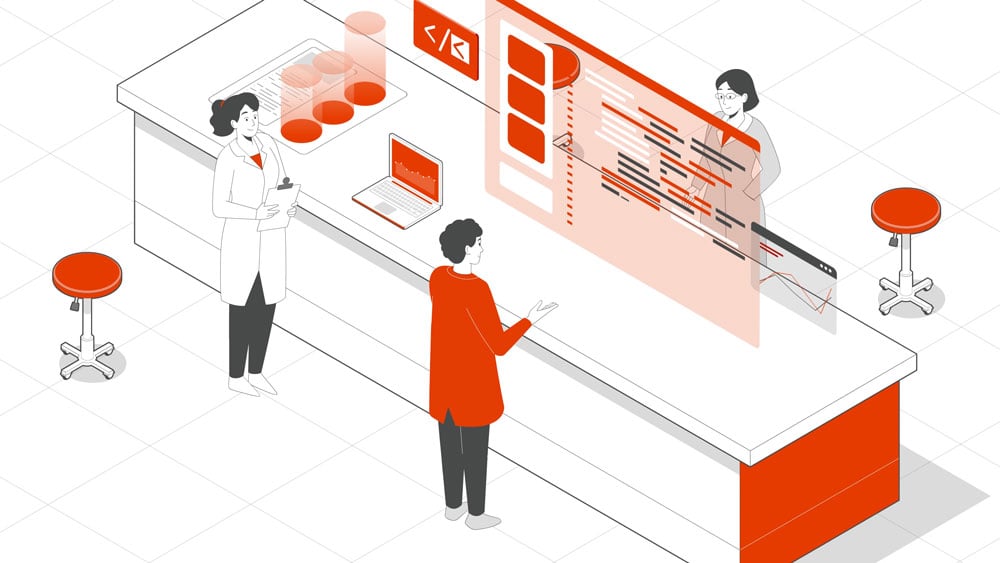
Explainer videos are designed to simplify complex concepts and present your value proposition clearly and quickly. They’re often used at the top of the funnel to attract and educate potential customers.
Typically animated or live-action, these videos run 60–90 seconds and are placed on homepages, landing pages, or social media. Their purpose is to answer: What does your product or service do, and why does it matter?
If you’re looking to create one, understanding the full animation production process helps ensure your message is well crafted and conversion-focused.
Video testimonials for business provide powerful social proof. Real customers describe their problems, how they found your solution, and the outcomes they achieved.
They’re often used on landing pages, in ad campaigns, or alongside proposals. If you’re curious about how we produce client testimonial videos, our portfolio showcases several examples across industries.
Testimonial videos drive views because they come across as unbiased and peer-focused.
Short, practical how-to tutorial or training videos are all the rage. According to Google, how-to searches have grown over 140% over the last 13 years. This explains the rise of channels like iFixit, which uses tutorial videos to market its various repair tools.
Creating training, how-to videos, and educational content can help reduce customer returns, technical support calls, and is a great video marketing strategy for business.
How-to videos offer real value by helping your audience solve problems. They teach a skill, demonstrate product usage. Here’s a step-by-step process on how to make a training video.
This format is especially useful for customer onboarding, support, and content marketing. If you’re in HR or L&D, consider leveraging video content for employee onboarding and training to streamline learning.
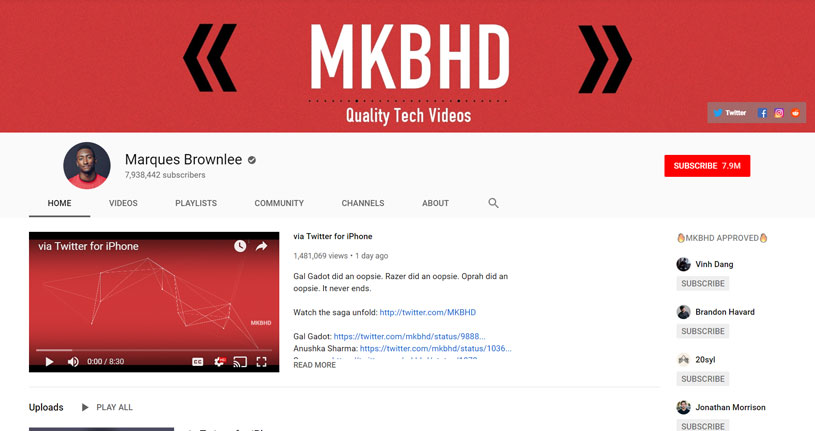
Unboxing videos are a popular type of review videos. By offering viewers a visual experience of new phones and other gadgets, MKBHD has managed to amass a YouTube following of close to eight million subscribers.
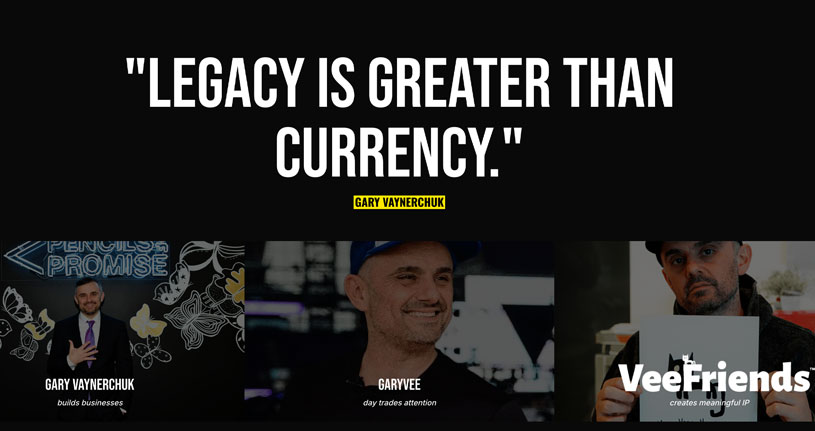
The DailyVee is a daily vlog (short for video blog) published by Gary Vaynerchuk on YouTube, arguably one of the most influential social media marketing influencers. From his own admission, Gary published upwards of sixty pieces of content each day, most as repurposed content from his daily vlog.
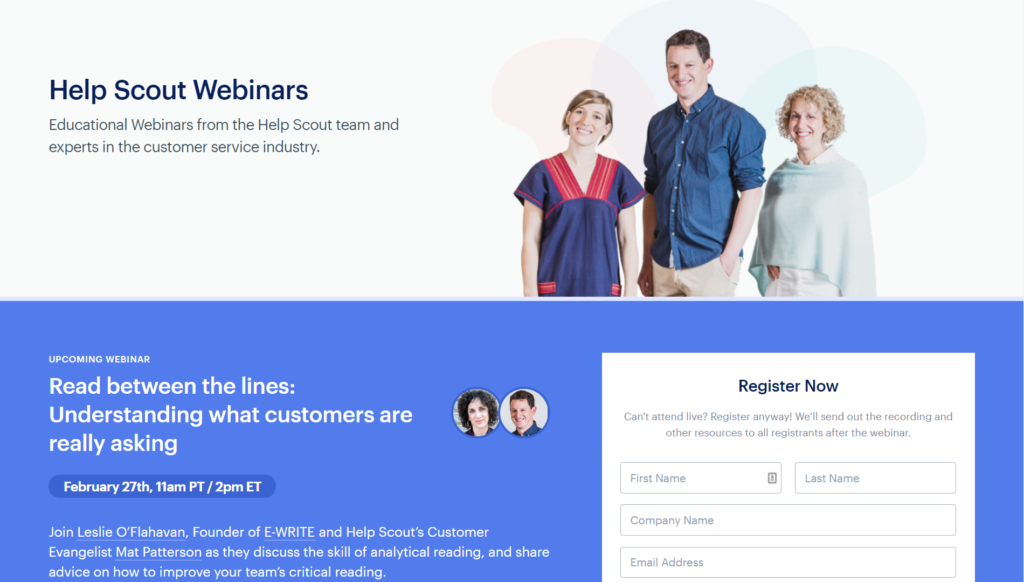
People are always hungry for in-depth information about either your products or topics around your products. Help Scout uses monthly webinars to educate their users and potential clients on topics around customer success.
Case study videos are testimonial hybrids that explore a full customer journey—from challenge to result—with real data and outcomes.
These types of videos are ideal for B2B marketing and nurturing high-intent leads, especially when tailored to a specific target audience and its pain points. They provide an in-depth look into how you were able to solve your customer’s pain points and provide the solution they were looking for.

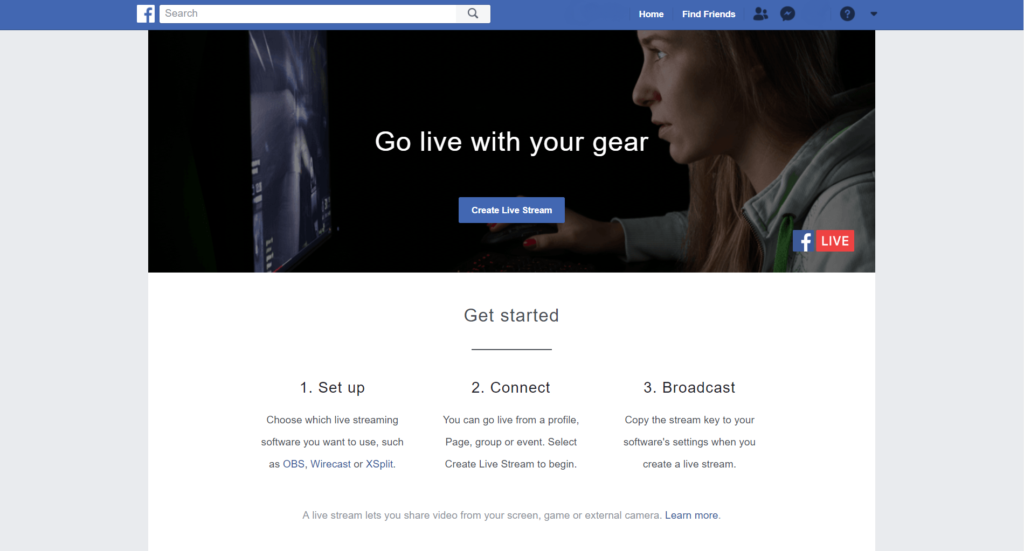
Live video creates space for real-time interaction. Use it to host product launches, webinars, or virtual conferences
Streaming lets your audience comment, ask questions, and engage through interactive elements, which helps them feel part of something current. Engaging videos increase audience participation when they include interactive elements, and brands using live video to boost brand engagement often see higher retention and follow-through.
Live videos increase engagement because they create a sense of urgency and real-time connection—viewers don’t want to miss out. They allow direct interaction through comments and Q&A, making audiences feel involved rather than just watching.
The unscripted, authentic nature of live streams builds trust and humanizes brands or creators.
Algorithms on platforms like YouTube, LinkedIn, and Instagram also prioritize live content, boosting reach and visibility.
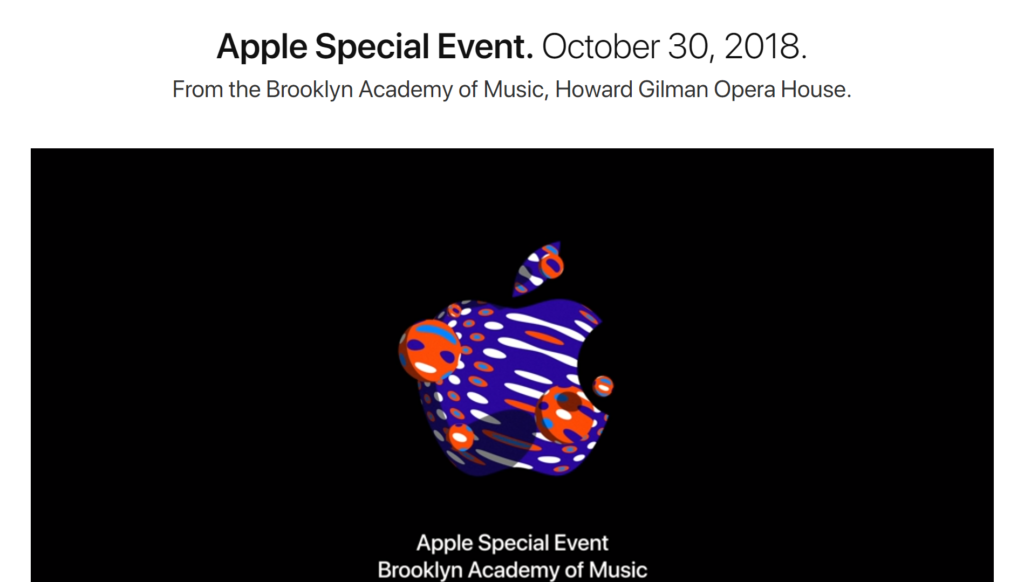
Product launches, new office location openings, major announcements, networking events are all great opportunities to shoot event-based video. Apple events have everyone tuned in and engaged. You too can create such engagement with an event video.
To improve click-through rates, pair it with a compelling thumbnail and an intriguing video title. Optimizing titles, descriptions, and tags can also boost visibility in search results, and using relevant keywords in the video content can further improve discoverability.
These videos focus on your company’s mission, values, and the people behind the brand. They connect emotionally by explaining the “why” behind your work.
Behind the scenes content can also strengthen that story by showing the people and process behind the work.
A good brand video doesn’t sell; it inspires. Learn more about crafting an authentic brand story video that resonates with both customers and internal teams.
Short-form videos are optimized for social platforms like TikTok, Reels, and YouTube Shorts. These quick-hitting formats (15–60 seconds) are built to grab attention and drive action immediately.
From product teasers to branded challenges tied to trending topics, social-first video marketing content works best when visually dynamic, tailored to the platform, and shaped by the latest trends rather than copied blindly. Consistent posting increases subscriber growth and retention.
Training videos are used for internal education, onboarding, compliance, customer guidance, and updates on industry trends. When animated, they’re easier to update and often more engaging than live footage or PDFs.
Organizations use custom eLearning and compliance videos to deliver content that’s consistent, clear, and aligned with their brand.
No. As a full services video production agency we handle the project from concept, scripting, to final finished video. All we need are your goals and aspirations.

A common thread in all these video types is quality content. To shine and attract more viewers, you will need to invest in developing quality content. If you do not have the in-house skills, you can choose to partner with us.
The best-performing video strategies use a mix of formats tailored to audience and intent. An explainer might capture attention, while a demo or testimonial builds trust. Case studies, social videos, and training content round out a video ecosystem that educates, inspires, and converts.
Choosing the right type of video at the right stage isn’t just smart marketing—it’s what keeps viewers watching and buyers moving forward.
For a deeper look at one format, see our explainer video examples and types.

Larry is the founder and Chief Storyteller at Creamy Animation, founded in 2009. He leads a team that creates story-driven videos for businesses and nonprofits. 15+ years in video strategy and production, specializing in SaaS, B2B, and nonprofit storytelling. A marketer, designer, and animator, Larry has overseen the production of more than 1,500 videos for Fujitsu, Logitech, Warner Brothers, NFL, Blockdaemon, Astronomer, Canonical, and 370+ others.
For Larry, God is first, and everything else is a blessing that comes from serving Him. When he’s not working, he’s hanging out with his wife and three kids, playing the piano, or pursuing his filmmaking side hustle.