Brady Corp.
Now you can say goodbye to unplanned tech outages due to human error. Brady Corp’s active digital signature mitigates losses due to cable failure and decommissioning of network cables.

NEW! Video Cost Calculator. Get an estimate for your project in less than a minute.
That Drive Growth
B2B video production is the creation of business-to-business video content, explainer, product, and sales-enablement videos, that build credibility and move buyers through a longer sales cycle.
Your prospects want clarity, proof, and a reason to act. We create B2B videos that deliver all three,simple messaging, strong visuals, and the right assets for every channel.
TRUSTED BY TOP BUSINESSES IN NORTH AMERICA AND GLOBALLY
B2B video production differs from consumer video in one structural way: you are rarely selling to one person. A typical business purchase involves the person who feels the problem, the person who owns the budget, and the people in security, legal or operations who can quietly veto the deal.
We build B2B video around that reality. Each video is scoped for a specific buying stage and a specific audience, so your sales team has the right asset to send at the right moment instead of one generic overview video being asked to do all the work.
Explainer videos turn a complex offer into a clear story your buyers can grasp in under two minutes. They work best on your homepage, solution pages, and landing pages to improve understanding, strengthen positioning, and drive more qualified inquiries.
For complex or technical offers, 2D animation video production keeps the story simple, visual, and easy to follow.
Product videos show what your solution does, who it’s for, and why it matters,without forcing prospects into a live demo too soon. Use them on product pages, in sales follow-ups, and in nurture sequences to reduce friction, answer objections, and support faster decisions.
Training videos standardize knowledge so teams and customers learn the right way, the first time. They fit well in onboarding flows, internal enablement libraries, and help centers to cut support load, speed adoption, and keep workflows consistent.
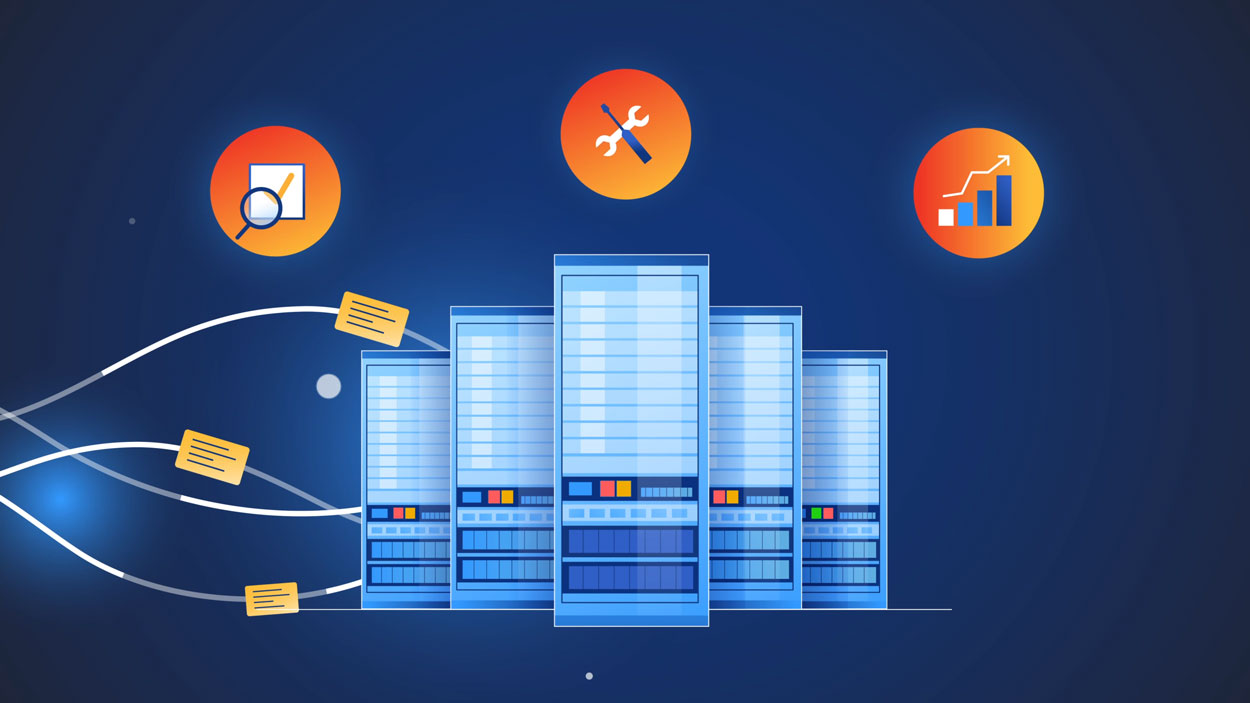
Now you can say goodbye to unplanned tech outages due to human error. Brady Corp’s active digital signature mitigates losses due to cable failure and decommissioning of network cables.
Abuzz is an online platform that helps schools increase yield, retention and engagement. We partnered with Abuzz founders and created this video to help simplify their message.

See how CoPilot Ai, a lead generation tool, helps you improve lead generation on LinkedIn. With great storytelling and smooth motion graphics, this video drives the message home.
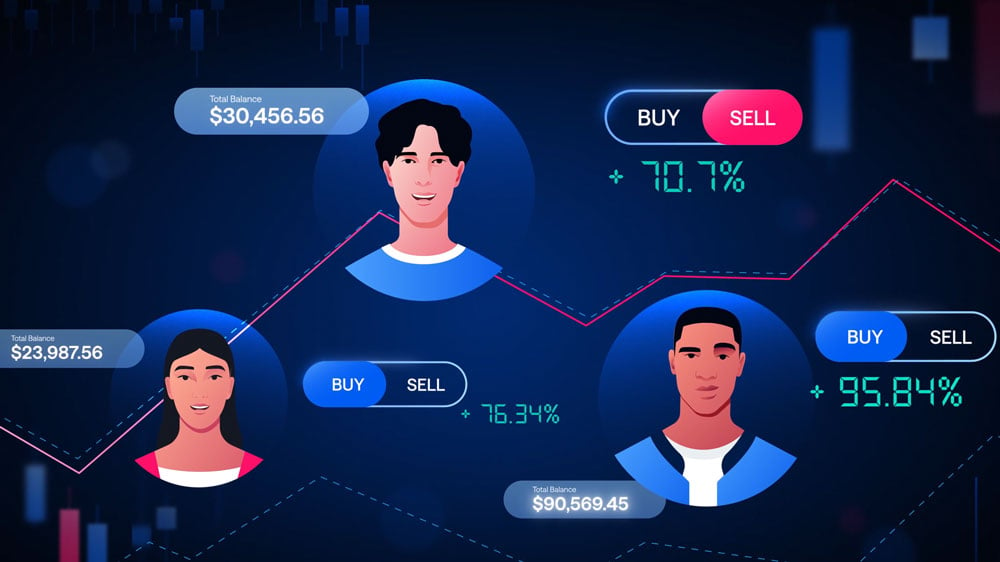
Cryptosea is an Ai powered trading algorithm that analyzes crypto markets to find profitable trading opportunities. It uses the same strategies professional traders use.
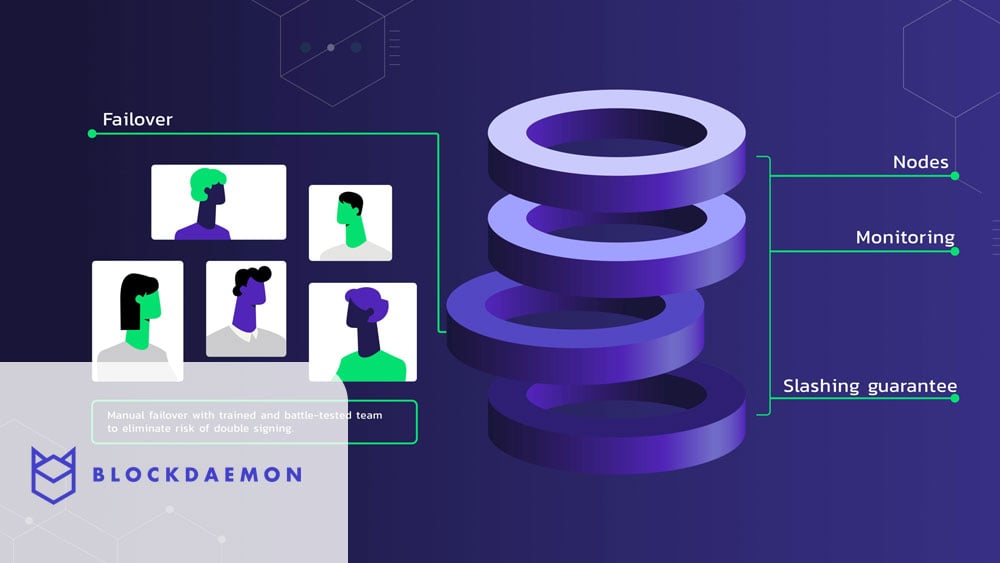
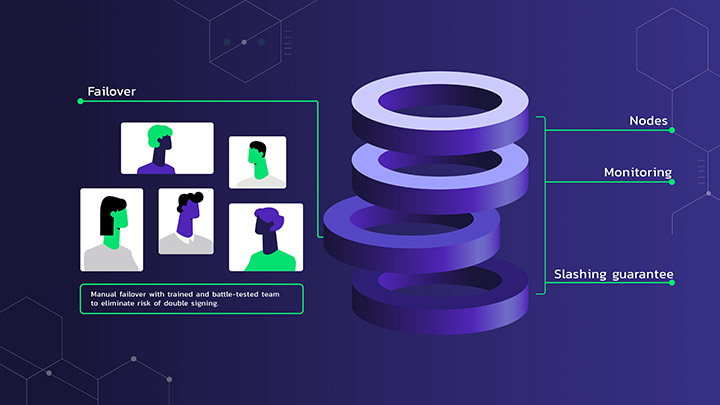
In this project, the goal was to create a video that would help deliver Blockdaemon’s value proposition, and explain why their blockchain infrastructure is the best in the world.
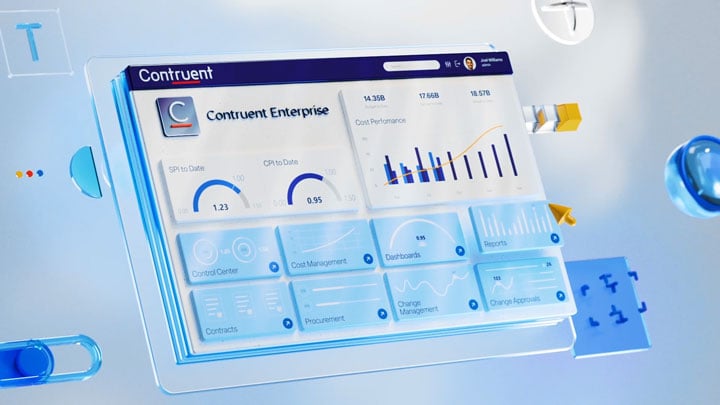
We used 3D motion graphics to highlight the challenges of running a mining project, and how Contruent’s SaaS platform helps you manage complex projects with ease.

Our B2B video production process is built for organisations with real review cycles. Most B2B projects pass through marketing, product and often legal or compliance before approval, so we front-load the decisions that are expensive to reverse, positioning, script and storyboard, and lock them in writing before a single frame is animated.
You get a named producer, a defined number of revision rounds at each stage, and a script your subject-matter experts can review as a document rather than as a finished video.
See how it works in our software and B2B explainer video examples.
We open with a working session covering your product, your buyer and the deal stage this video has to serve. We also ask who signs off internally and build that into the schedule on day one, the biggest cause of B2B video overruns is a stakeholder who appears for the first time at the storyboard stage.
You leave discovery with a one-page brief: audience, core message, call to action, distribution plan and the named approval chain.
We write a script that respects a technical audience, specific about what the product actually does, free of filler, and short enough to hold attention inside a sales email or on a landing page. Your subject-matter experts review it as a document, which is where technical corrections are cheap.
Once the script is approved we build a scene-by-scene storyboard showing the real on-screen language, interface and data visualisations. Catching an outdated screenshot here saves days of re-animation later.
Animation, editing, sound design and mastering all happen in-house. You receive the video in the formats your channels actually need: 16:9 for the website and sales sequences, square and vertical cutdowns for LinkedIn and paid social, and a caption file for autoplay feeds.
We also hand over the deliverables agreed at kickoff, so a future edit does not mean starting over.
Have a Vancouver-area B2B team? See the CoPilot AI case study — a Vancouver, BC SaaS platform we produced explainer video for.
The questions B2B buyers ask us most often before starting a project.
Length should follow the deal stage. Top of funnel videos on LinkedIn or a homepage work best at 30 to 60 seconds. A product explainer sent by a sales rep can run 90 seconds to two minutes because the viewer has already raised their hand. Technical deep dives, onboarding and demo walkthroughs can run three to five minutes without losing a qualified viewer.
The most common mistake is one long overview video asked to serve every stage at once.
Most B2B explainer projects fall between $5,000 and $10,000 for a one to two minute animated video. More involved work such as 3D, complex interface animation or a multi video series typically runs $10,000 to $25,000. Enterprise programmes with many stakeholders and localisation run higher.
Roughly 45% of a budget goes to animation and editing, 25% to concept and storyboarding, 15% to design and illustration, 10% to scripting and 5% to voiceover and music. Our explainer video cost breakdown shows ranges by style and length.
A 30 to 60 second B2B video takes about two to three weeks. A one to two minute explainer averages four to six weeks.
The variable that moves the date most is not production, it is how quickly your internal reviewers return feedback. That is why we agree named approvers and review windows at kickoff. If you are working to a launch or event date, tell us on the first call and we will schedule backwards from it.
We do, working from a discovery session and any material you already have such as documentation, a sales deck or a recorded demo. Your subject matter experts review the script as a document before anything is designed, which is where technical corrections are cheap to make.
Each stage has a defined number of rounds agreed in the quote: script, storyboard, animatic and final. Changes within a stage are included. A change that reverses an earlier approved stage, for example rewriting the script after animation has begun, is a new scope and we re quote it in writing first.
You receive a 16:9 master plus the cutdowns your channels need, typically square and vertical versions for LinkedIn and paid social, a caption file, and thumbnail frames. These are agreed at kickoff and included in the quote rather than billed afterwards.
In this case study we showcase how we worked with SBBC to create a B2B video series on workplace accessibility.
We developed a clear video strategy and concept, wrote the scripts, created the storyboard and design, and produced engaging animation.
Let us help you turn your static content into videos that stick.
The reason a single overview video underperforms in B2B is that it is aimed at an average buyer who does not exist. Below is how we map video to where the deal actually is.
At this stage the viewer is not searching for your product. Video here should name the operational problem in the buyer’s own language and show what it costs them. Keep it to 30 to 60 seconds, run it on LinkedIn, paid social and the top of your homepage, and resist naming features. The measure of success is watch-through and follow-on site visits, not demo requests.
Now the buyer is weighing categories of solution. A 60 to 90 second explainer that shows how your approach works, and is honest about what it replaces, does more here than a feature tour. This is the video most often embedded on a product or solutions page and sent as the first attachment in a sales sequence.
This is where B2B video earns its budget. Short, specific videos aimed at the people who were not in the first meeting, a security overview, an integration walkthrough, an implementation timeline, travel through an organisation far better than a deck. Each should stand alone, because it will be forwarded without you in the thread.
The same production investment pays twice. Onboarding and feature-adoption videos reduce the support load on your customer success team and shorten time to value, which is what renewal conversations turn on. These can run longer, three to five minutes, because the viewer is already committed.
We have spent more than fifteen years explaining software, infrastructure and financial products, including work for Blockdaemon, Contruent, CoPilot AI and ChartLamp. Our writers are comfortable reading documentation and interviewing engineers, so you spend less time correcting the script and more time approving it.
Every project runs on a written approval trail: brief, script, storyboard, animatic, final. Each stage has a defined number of revision rounds and a named approver, which stops legal and product review turning into open-ended rework and keeps the delivery date honest.
You get a fixed quote against a fixed scope before production begins rather than an hourly meter. If the scope changes mid-project we re-quote in writing first. Most B2B explainer projects land between $5,000 and $10,000, with multi-video programmes scoped as a series.
Most shortlists are built from a search results page and a showreel, which tells you what a studio can make but not what working with them is like. These are the questions that actually separate vendors.
A polished brand film is weak evidence that a studio can explain a data pipeline or a compliance workflow. Ask for two examples where the subject was genuinely technical, and ask who wrote them.
In B2B the script has to survive product, legal and sometimes security. Ask when your experts see the script, how many revision rounds each stage includes, and what happens when a reviewer surfaces late.
Clarify whether you receive only the exported video or the project files too, and whether music and voiceover licences are perpetual and cover paid media. This is the most common unpleasant surprise a year later.
Two quotes at the same headline number can differ enormously once you compare included revisions. Ask what a revision means at storyboard versus after animation, and what triggers a change order.
A single 16:9 master is not a campaign. Confirm the aspect ratios, cutdowns, captions and thumbnail frames your channels need are in the quote rather than billed later.
Ask who your producer will be and whether animation is in-house or subcontracted. Subcontracting is not automatically a problem, but it changes how fast feedback moves and who is accountable when a date slips.
Explore more ways we help businesses communicate clearly.
Internal comms, training, and brand videos.
Lead-gen and sales enablement video content.
Onboarding, safety, and compliance training at scale.