NEW! Video Cost Calculator. Get an estimate for your project in less than a minute.

Best Tech Explainer Video Examples (2026)

We’ve made tech explainers for the company behind Ubuntu, a project-controls platform used on construction sites, and a billing app for doctors. Very different products, same problem underneath: the buyer can’t picture what the thing actually does. Here are four of those videos, the formats we work in, and what each one costs.

What is a tech explainer video? It’s a short animated video that explains what a technical product does and why it matters, usually in 60 to 90 seconds. A standard custom one costs $5,000 to $10,000.

What a tech explainer video is for

The job is understanding. Someone should finish the video able to say what your product is, who it’s for, and why they’d care. That sounds obvious, but a lot of technical marketing jumps straight to features and leaves the buyer to assemble the meaning on their own.

Tech explainer vs product demo

A demo walks through the interface step by step, usually as a screen recording. An explainer sits one level above that. It sets up the problem, names your product as the answer, and only then shows the software. Most teams we work with need both, and they’re almost never the same video.

Where these videos get used

The homepage is usually the first home. After that they turn up in paid campaigns, in sales calls when a rep needs to set context quickly, and inside launch and investor decks. One master video plus two or three cutdowns covers most of it.

Tech explainer video formats at a glance

Eleven formats cover almost everything we get asked for. Ranges are for a fully produced 60-second video, and they follow the tiers in our explainer video cost guide.

#FormatWhat is on screenBest forTypical range
1Motion graphicsType, icons, and abstract shapesPlatforms and categories with no single interface to point atStandard, $5,000–$10,000
2Product and UI animationA rebuilt version of your interface, animatedSaaS and app productsStandard, $5,000–$10,000
3Character-ledPeople and situations before the software appearsProducts sold on a human frustrationStandard to Premium
4Isometric and technicalDiagrams, networks, and data moving between systemsInfrastructure, security, and developer toolsStandard to Premium
53DRendered hardware, components, and cutawaysDevices, chips, and physical technologyPremium, $10,000–$25,000
6SaaS onboarding explainerThe first-run experience, animated step by stepProducts where activation is the hard part, not the saleStandard, $5,000–$10,000
7API and integration explainerData moving between services, endpoints, and appsDeveloper tools and platforms sold on how they connectStandard to Premium
8Cybersecurity and infrastructure explainerThreats, networks, and defenses shown as a systemSecurity, cloud, and infrastructure productsStandard to Premium
9AI and machine learning explainerModels, data pipelines, and outputs made visibleAI products where the value is invisible under the hoodStandard to Premium
10Data and analytics explainerAnimated charts, dashboards, and metrics in motionAnalytics, BI, and data platformsStandard, $5,000–$10,000
11Developer tool explainerCode, terminals, and workflows shown in contextProducts sold to engineers who distrust marketingStandard to Premium

Here is what each format is and when it earns its place, in one line each.

Motion graphics

Type, icons, and abstract shapes carry the story with no interface on screen. Best for platforms and categories that have no single screen to point a camera at.

Product and UI animation

Your interface, rebuilt as animation assets so it moves the way the story needs. Best for SaaS and app products where seeing the software is the point.

Character-led

People and situations come first, and the software arrives as the answer to a human frustration. Best for products sold on a feeling rather than a feature.

Isometric and technical

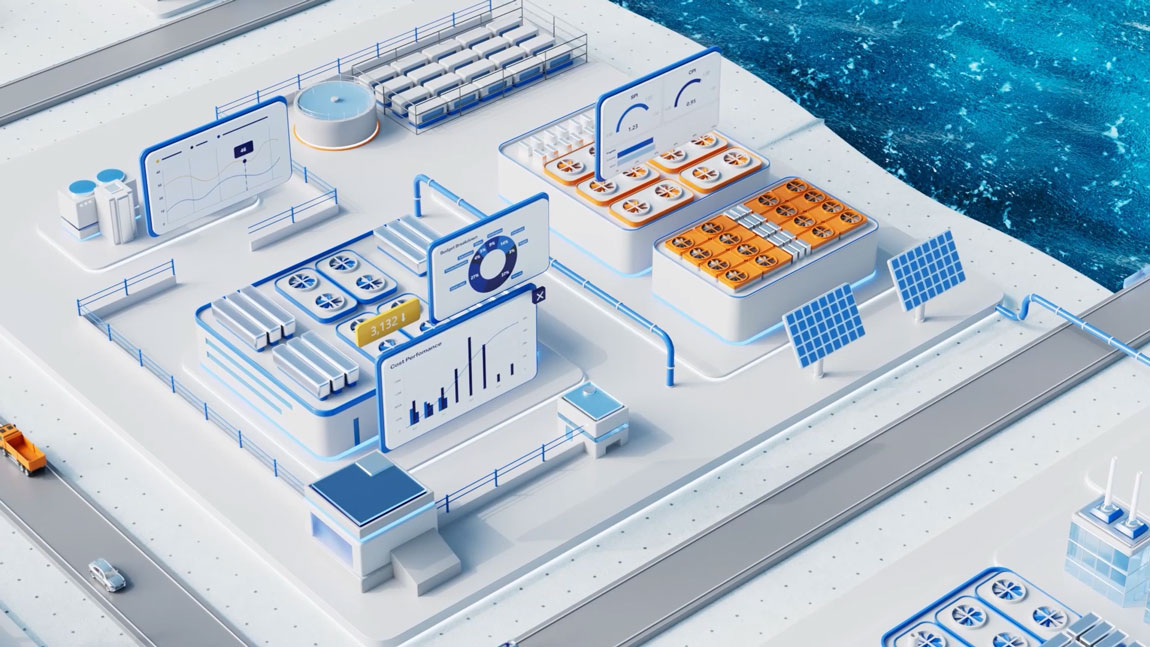
Diagrams, networks, and data move between systems in a clean three-quarter view. Best for infrastructure, security, and developer tools.

3D

Rendered hardware, components, and cutaways show physical technology from the inside. Best for devices, chips, and anything you would otherwise have to take apart.

SaaS onboarding explainer

The first-run experience, animated step by step so activation feels obvious. Best for products where getting people started is harder than getting them to buy.

API and integration explainer

Data moving between services and endpoints, made visible as a flow. Best for developer tools and platforms sold on how well they connect.

Cybersecurity and infrastructure explainer

Threats, networks, and defenses shown as one system a viewer can follow. Best for security, cloud, and infrastructure products.

AI and machine learning explainer

Models, data pipelines, and outputs pulled out of the black box and onto the screen. Best for AI products where the value is invisible under the hood.

Data and analytics explainer

Charts, dashboards, and metrics animate in the order that makes them make sense. Best for analytics, BI, and data platforms.

Developer tool explainer

Code, terminals, and real workflows shown in context, not glossed over. Best for products sold to engineers who tune out marketing.

Tech explainer video examples we produced

All four are ours. We picked them because each one had a different problem to solve: an open-source platform, an enterprise system, an early-stage startup, and an app for an audience that isn’t technical at all. Our clients don’t release their performance numbers and we don’t publish them, so you won’t find view or conversion figures attached here. Last verified September 2026.

Jump to an example: 1. Canonical · 2. Contruent · 3. TestBox · 4. Dr. Bill

1. Canonical (Ubuntu)

Canonical is the company behind Ubuntu. Enterprise open source is hard to put on a homepage, because the product is a whole platform and not a screen you can point a camera at. We stayed with clean motion graphics and typography, and let the narration carry the argument.

Best for: platforms with no single interface to show.

Table of Contents

2. Contruent

The obvious version of this video is a feature tour. We didn’t make that one. Contruent is project-controls software for construction and mining, so we built simple animated scenes around what goes wrong on a large capital project, then placed the platform in the middle of it.

Best for: enterprise software sold to a committee.

3. TestBox

A startup explainer, and a short one. It opens on the buyer’s problem before the product gets named, which is the structure we reach for most often.

Best for: early-stage products that have to explain a category as well as a product.

4. Dr. Bill

Dr. Bill is a billing app for physicians, so the audience here isn’t technical at all. We spent the runtime on the admin work the app takes away, and treated the interface as a supporting character. If you want more software examples, we broke down ten of them in our software and B2B explainer video examples.

Best for: products sold to a non-technical buyer.

How to choose the format for your product

1. Start with what the buyer cannot picture

Write down the one thing people consistently get wrong about your product. That sentence usually tells you whether you need interface animation, a diagram, or a person on screen.

2. Decide whether the interface is the story

If the value only lands once someone sees the software working, animate the UI. If the value is a concept, the interface will slow the video down and eat runtime you need elsewhere. It’s one of the first things we ask about on a kickoff call.

3. Keep it to one idea

Sixty to ninety seconds holds roughly 150 to 220 words of voiceover. That’s room for one idea, explained properly.

4. Scope the cutdowns up front

Social and ad versions cost far less when they’re planned alongside the master video. Order them afterwards and we’re back inside finished scenes, re-framing and re-timing them.

What a tech explainer video costs

A standard 60-second tech explainer runs $5,000 to $10,000 with us. Premium work with custom characters, heavy interface animation, or 3D runs $10,000 to $25,000. Enterprise and multi-video programs start around $30,000. At the other end, our AI-assisted entry-level animation starts at $2,500 to $4,000.

Scene count and animation style move the number more than runtime does. A 90-second video built from six simple scenes can cost less than a 60-second one built from twenty. Our explainer video cost guide has the full breakdown, and the technology video production page covers what we do beyond explainers.

How production runs

Six stages: strategy, script, storyboard and style frames, design, animation, then versioning and delivery. Four to six weeks is normal for a 60 to 90 second video. What actually moves that timeline is how quickly each stage gets reviewed on your side, not how complicated the animation is. Our explainer video production page walks through each stage.

Frequently asked questions

How long should a tech explainer video be?

Sixty to ninety seconds for most products. That’s long enough to set up the problem and show the product, and short enough that people finish it. Detailed walkthroughs can justify two to three minutes when the extra detail is doing real work.

What is the difference between a tech explainer and a product demo?

A demo shows the interface step by step, usually as a screen recording. An explainer explains the concept and the value first, and uses animation to make the idea land before anyone looks at the software.

How long does production take?

Four to six weeks from kickoff to final delivery for a 60 to 90 second video. Creative complexity matters, but how fast reviews come back matters more.

Should a tech explainer be animated or live action?

Animation, usually. It can show interfaces, data, and abstract systems a camera can’t reach, and it’s much cheaper to update when the product changes. Live action earns its place when a real person or a real environment is the point.

Can you animate our actual product interface?

Yes. We rebuild your UI as animation assets, so the video reflects how the product really works without the limits of a screen recording.

Do we need a script before we start?

No. Scriptwriting is part of the project, and we get the script approved before any storyboarding or animation begins.

The takeaway

A tech explainer earns its budget when it removes the work of understanding your product. Pick the format from what your buyer can’t picture, hold the video to one idea, and scope the cutdowns while the script is still open.

Related: explainer video production, SaaS video production, and software explainer video examples.

Larry Mutenda, founder of Creamy Animation

Author: Larry Mutenda

Founder & Producer: Creamy Animation

Larry is the founder and Chief Storyteller at Creamy Animation, founded in 2009. He leads a team that creates story-driven videos for businesses and nonprofits. 15+ years in video strategy and production, specializing in SaaS, B2B, and nonprofit storytelling. A marketer, designer, and animator, Larry has overseen the production of more than 1,500 videos for Fujitsu, Logitech, Warner Brothers, NFL, Blockdaemon, Astronomer, Canonical, and 370+ others.

For Larry, God is first, and everything else is a blessing that comes from serving Him. When he’s not working, he’s hanging out with his wife and three kids, playing the piano, or pursuing his filmmaking side hustle.Â