Get an estimate in 60 seconds. No email required.
Entertainment explainer videos help people understand new formats, attraction technology and creative opportunities. These 3 examples cover an interactive storytelling format, a trackless ride and a contest for new game ideas.
 Larry Mutenda
| Which entertainment explainer videos are worth studying? Three stand out, each for a different job. Warner Bros. introduces a new storytelling format, Walt Disney Imagineering explains how a trackless ride is controlled and Blueocean Games launches a crowd-voted contest for game ideas. |
An entertainment explainer video is a short video that explains an experience, a format or an opportunity in film, games or attractions. Some show what happens behind a ride. Others introduce a new format or invite people to take part.
Entertainment invites curiosity about what sits behind the experience. The three examples below cover a new storytelling format, the system behind a trackless ride and a contest that lets players judge new game ideas.
Each video does a different job: a new storytelling format, how an attraction works and a contest launch.
The Warner Bros. and Blueocean Games videos come from the Creamy Animation video library. The Walt Disney Imagineering video is published on its own YouTube channel and was available when we checked it on 28 November 2026. We describe each video from its own content and its published description. We credit any figures to the organization that published them.
Here is a quick overview of the 3 videos in this article. The table links to each example below.
| # | Company | Use |
|---|---|---|
| 1 | Warner Bros. | New storytelling format |
| 2 | Walt Disney Imagineering | How an attraction works |
| 3 | Blueocean Games | Contest launch |
2D animated explainer for an interactive narrative concept
Runtime: 1:16
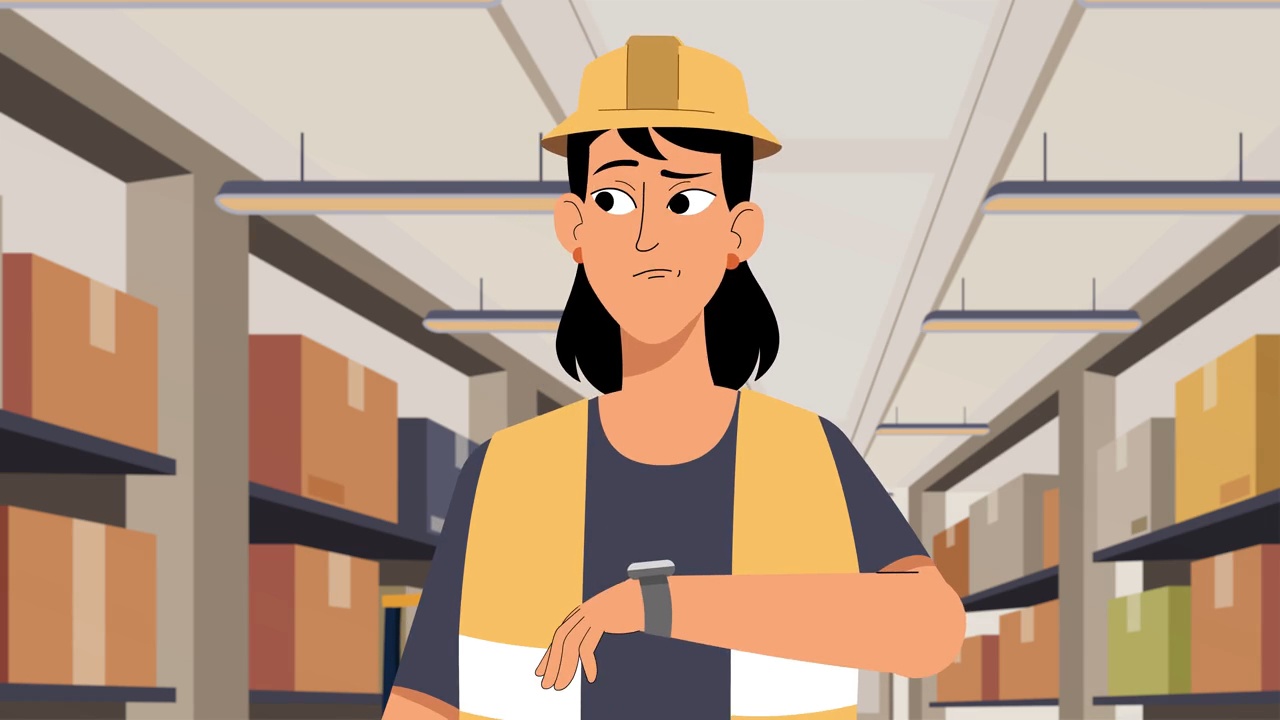
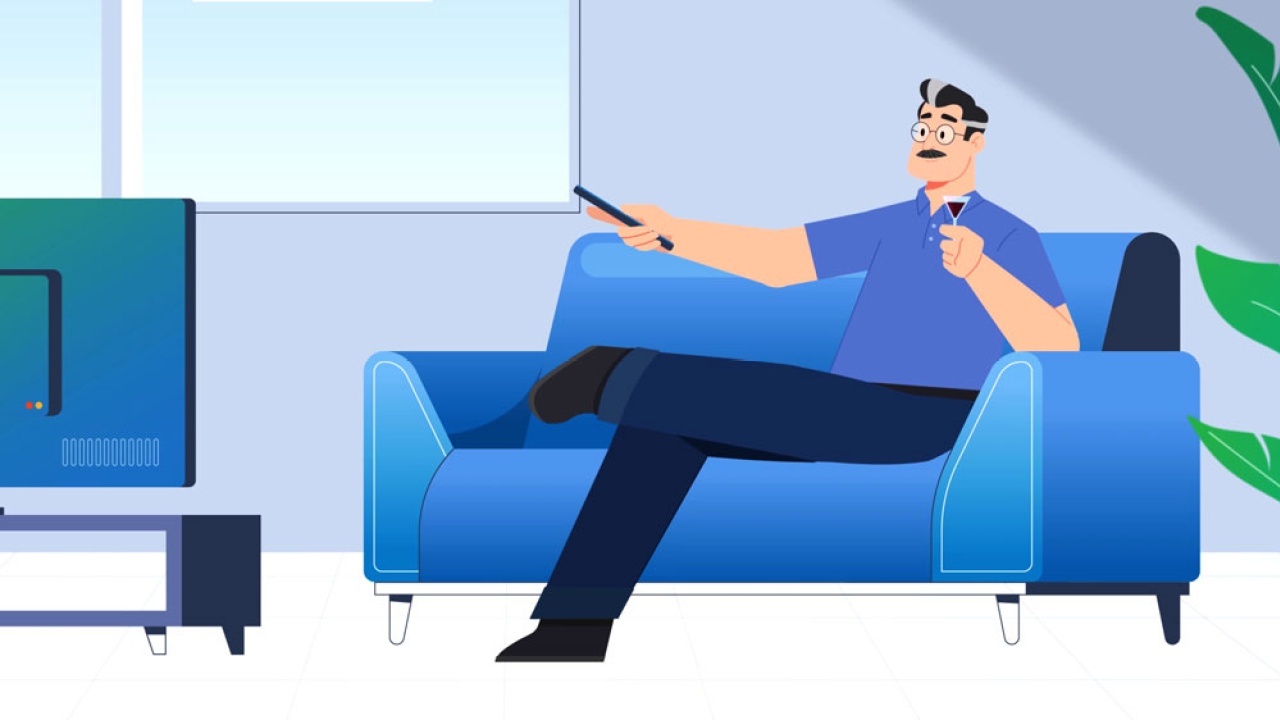
The Warner Bros. video describes a concept called Advanced Narratives. It says content could use AI, data and sensors to adapt to viewers across devices, and it names television, computers, autonomous vehicles and immersive devices. It contrasts lean-back viewing with lean-forward interaction, where the audience may change the story or become a character. It also describes a first-principles approach, where narratives are broken into components and rebuilt with data and community input. This is a concept video. It describes a proposed capability, not a released feature.
Why it works:
Takeaway:
Give viewers a familiar contrast when the subject is something they have not experienced.
The Warner Bros. video comes from the Creamy Animation video library.

Behind-the-scenes episode on trackless rides
Runtime: 2:52
How does Walt Disney Imagineering control a ride that’s trackless? was published in January 2026. Its description says trackless rides might feel like they are off the rails, but that is not the case, and that in this episode a host called Tom tracks down the answers. A guest sees a ride with no visible track and wonders how its movement is controlled. Promotional footage does not answer that. This video addresses the hidden system and what it makes possible. The subject moves from a new format to the operation of a real experience.
Why it works:
Takeaway:
Connect an engineering mechanism to what it makes possible in the experience.
The video is published on the YouTube channel of Walt Disney Imagineering.
Launch video for a crowd-voted game challenge
Runtime: 0:33
The Blueocean Games video introduces the Rising Tide Challenge. Entrants make a short gameplay trailer and submit it by the deadline, and gamers vote on the entries. Winners receive prizes. The video says up to $300,000 in funding is available to select winning teams, and that anyone in the world can enter, from industry veterans to weekend hobbyists and first-time game makers. It closes on the idea of letting the crowd green light a concept. The figures are the ones stated in the video, so check the contest’s own terms.
Why it works:
Takeaway:
State the entry task, the reward and who can take part in one short message.
The Blueocean Games video comes from the Creamy Animation video library.
Explain the audience’s role before you describe every capability. What does taking part mean in the proposed experience? What stays passive and what can the person influence? Those answers give a new format a usable definition.
Warner Bros. uses the lean-back and lean-forward contrast as a conceptual way in. A launch script should then separate what is available from what is planned. Do not let an imaginative video turn into an unintended product promise.
Write the smallest complete description of the experience. The audience should know what it can choose, observe or influence. Then decide what extra detail makes that description credible. An unfamiliar format often needs fewer abstract labels and more clarity about participation.
For a concept-stage video, make the status visible in the page around it. Your team may know a capability is proposed, but a new viewer may not. The script should still make sense when it is shared outside the original meeting.
A behind-the-scenes video can give people another reason to care about an experience. Its topic should answer a real question about the work, the mechanism or a creative decision. Interest comes from the substance.
Keep any claim about marketing results apart from the communication purpose. These examples do not establish ticket sales or conversion outcomes. Decide what the video is meant to support, and measure the response that matches it.
Choose a topic that rewards attention even if the viewer never buys. A clear answer about an attraction or a creative process can stand on its own, which makes the video useful beyond one promotional placement.
Keep the next step proportionate. A short educational piece may invite more exploration instead of asking for a booking. A video meant to build understanding should not be judged only as a direct sales ad. Match the measurement to the job.
Choose a mechanism, a new participation format or a call for entries. Warner Bros., Imagineering and Blueocean Games each do one of these. A single video rarely does all three.
Decide whether people already know the attraction or meet a proposed format for the first time. Warner Bros.’ lean-back and lean-forward contrast suits a different starting point from a ride mechanism.
Keep proposed experiences distinguishable from released capabilities. For behind-the-scenes material, name the single system or creative stage being discussed. For a contest, state the entry task, the reward and who can enter.
Let the creative treatment support the technical or conceptual point. An entertaining host can still carry a precise mechanism. Leave out spectacle that makes the central relationship harder to follow.
Connect short videos to their fuller resources and keep attraction content in an accurate time context. A contest video needs a link to the official terms.
These are Creamy’s general ranges for a custom 60-second explainer video. They are not mining-specific quotes. The cost calculator on this page gives an estimate for your own brief.
| Production tier | Typical cost |
|---|---|
| Freelancer | $1,000 to $5,000 |
| Professional studio, fully custom | $5,000 to $10,000 |
| Premium studio | $10,000 to $25,000 |
| Enterprise | $30,000 to $70,000+ |
Start with the audience’s role, as Warner Bros. does with lean-back and lean-forward viewing. Then separate what exists from what is planned.
They can be. Imagineering uses a host who investigates. Keep the humour in service of the point so the mechanism stays clear.
The examples here do not prove sales results. Decide what the video should support, such as understanding or interest, and measure that.
Reveal enough to answer the question guests actually ask, as Imagineering does about how a trackless ride is controlled. Keep proprietary detail with the people who need it.
The three videos here run from 33 seconds for a contest launch to under three minutes for a behind-the-scenes episode. Match the length to the single job the video does.
On launch pages, in social posts and on their own channels. Link shorts to fuller resources, and link a contest video to its official terms.
State the entry task, the reward and who can take part. Blueocean Games does this in 33 seconds. Point to the full rules for conditions and deadlines.
Creamy’s general ranges for a custom 60-second explainer are $5,000 to $10,000 for a professional studio and $10,000 to $25,000 for a premium studio. The budget step above has the full table, and the calculator on this page estimates your own brief.
Give curiosity a clear question to follow. Warner Bros. defines a new format, Imagineering explains a mechanism and Blueocean Games invites entries. A good entertainment video makes the experience understandable and leaves viewers wanting to explore it.

Larry is the founder and Chief Storyteller at Creamy Animation, founded in 2009. He leads a team that creates story-driven videos for businesses and nonprofits. 15+ years in video strategy and production, specializing in SaaS, B2B, and nonprofit storytelling. A marketer, designer, and animator, Larry has overseen the production of more than 1,500 videos for Fujitsu, Logitech, Warner Brothers, NFL, Blockdaemon, Astronomer, Canonical, and 370+ others.
For Larry, God is first, and everything else is a blessing that comes from serving Him. When he’s not working, he’s hanging out with his wife and three kids, playing the piano, or pursuing his filmmaking side hustle.
Need pricing for your next project?
We'll calculate a pricing range for your project in less than 60 seconds.
Get Your Estimate!