A good training video makes a process, a policy, or a skill easy to learn and easy to remember. The 12 examples below show how organizations use animation for employee training, onboarding, how-to guides, and public education. Most are our own work, and each one turns a topic people usually skim into something they actually watch.
by
Larry Mutenda
| Chief Storyteller at Creamy Animation •
Updated: September 7, 2026
What is a training video? It is a video that teaches an audience how to do something or understand a process, from onboarding a new hire to explaining a compliance rule. Animation works well for training because it can simplify steps, show what words cannot, and stay consistent every time it plays.
The 12 training video examples
Each example below includes the video, the client, and the type of training it supports, so you can find the format that fits your own program. The first is ours. Training video is different from a one-off marketing clip. It has to be clear, accurate, and easy to update, because people rely on it to actually learn a task.
Training video vs a live session
A live session is great for discussion, but it does not scale and it is never the same twice. A training video scales to every new hire, plays on demand, and keeps the message consistent, which is why teams use both.
Where training videos work best
Onboarding new hires, how-to tasks and software, compliance and safety, and public education campaigns. Animation is especially useful when the topic is abstract, sensitive, or hard to film.
The 12 examples at a glance
A quick side by side of every example, with its client and the type of training it supports. Click a name in the list below to jump to its video.
Western University uses animation to teach students a prototyping mindset for career planning. It shows how an institution can turn a soft skill into a clear, repeatable lesson. Type: Skills training. By Creamy Animation.
Table of Contents
2. Small Business BC
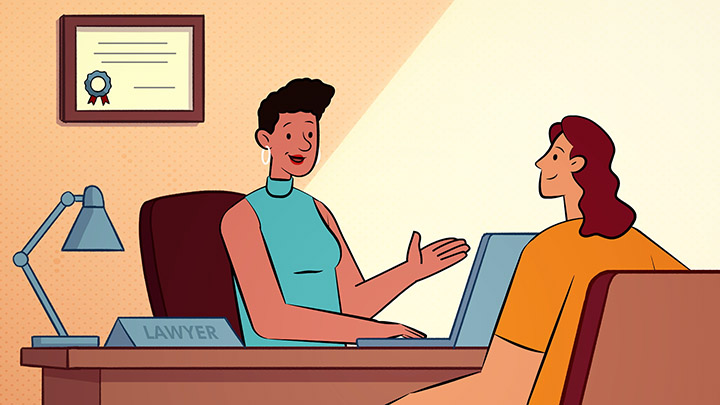
This Small Business BC video trains owners on workplace accessibility. Animation makes a compliance-heavy topic approachable and easy to act on. Type: Compliance and workplace training.
3. JM Bullion
JM Bullion shows customers how to package and ship precious metals safely. It is a clean example of a how-to training video that reduces support tickets. Type: How-to and customer training.
4. Lean BC
Lean BC teaches a structured improvement method to public-sector teams. Step-by-step animation turns a dry framework into something teams can follow. Type: Process and methodology training.
5. Clips University
Clips University onboards creators to its learning platform. The video sets expectations and shows how the training is structured. Type: Onboarding and platform training.
6. Empowered Startups
Empowered Startups walks founders through its programs. Animation keeps a dense support offer clear and motivating. Type: Program and founder training.
7. Abuzz
Abuzz keeps learners engaged with interactive lessons and feedback. The video shows how the platform turns training into a habit. Type: Learning engagement.
8. Accounting Aid Society
Accounting Aid Society teaches families how free tax help works. Animation explains eligibility and steps without jargon. Type: How-to and public education.
9. VOITs
VOITs explains an environmental monitoring program to the public. It shows how training-style animation can build understanding and buy-in. Type: Awareness and education.
10. Mental Health Commission
This Mental Health Commission piece supports workplace mental health awareness. Gentle animation handles a sensitive training topic with care. Type: Workplace wellbeing training.
11. Silvacom Wildfire Salvage
Silvacom explains its wildfire salvage process to field and industry audiences. Animation makes a technical operation easy to grasp. Type: Technical and field training.
12. Iredell County Health (Glowbie)
Iredell County Health uses an animated character to teach children about health. It shows how a friendly story can carry a public-health lesson. Type: Public health education.
How to make an effective training video
1. Start with one learning goal
Decide the single thing a viewer should be able to do after watching. One clear goal keeps the video short and the lesson memorable.
2. Script the steps in order
Write the process the way a learner will follow it, step by step. Cut anything that does not help them complete the task.
3. Show, do not just tell
Use animation to show the process, the interface, or the idea. Seeing a step is easier to remember than hearing about it.
4. Keep it short and easy to update
Aim for a few minutes, and break long topics into a series. Build it so you can update one clip when a process changes.
Frequently asked questions
What is a training video?
A training video teaches an audience how to do something or understand a process. It is used for onboarding, how-to guides, compliance, software training, and public education.
How long should a training video be?
Keep it short. Most viewers will not watch a training video that runs 20 minutes or longer, so aim for a few minutes and split longer topics into a series of short clips.
Why use animation for training videos?
Animation can simplify steps, show what is hard to film, handle sensitive topics with care, and stay consistent every time it plays. It is also easy to update when a process changes.
How much does a training video cost?
Cost depends on length, style, and how much custom animation the topic needs. A short animated how-to costs less than a full multi-scene course. Ask for a quote based on your script.
What makes a good training video?
A good training video has one clear goal, follows the steps in order, shows the task on screen, and stays short enough to finish. It should also be easy to update.
Where should training videos be used?
Use them for onboarding, how-to and software training, compliance and safety, and public education. They work anywhere you need to teach the same thing consistently and at scale.
The takeaway
The best training video is the one people actually finish and remember. Whether it teaches a process, a policy, or a skill, keep it short, clear, and easy to update. The examples above show how animation makes training something people watch instead of skip.
Larry is the founder and Chief Storyteller at Creamy Animation, founded in 2009. He leads a team that creates story-driven videos for businesses and nonprofits. 15+ years in video strategy and production, specializing in SaaS, B2B, and nonprofit storytelling. A marketer, designer, and animator, Larry has overseen the production of more than 1,500 videos for Fujitsu, Logitech, Warner Brothers, NFL, Blockdaemon, Astronomer, Canonical, and 370+ others.
For Larry, God is first, and everything else is a blessing that comes from serving Him. When he’s not working, he’s hanging out with his wife and three kids, playing the piano, or pursuing his filmmaking side hustle.