Wildlife Conservation Animation Case Study for Upper Hay Regional Forests
A forest the caribou can come home to.
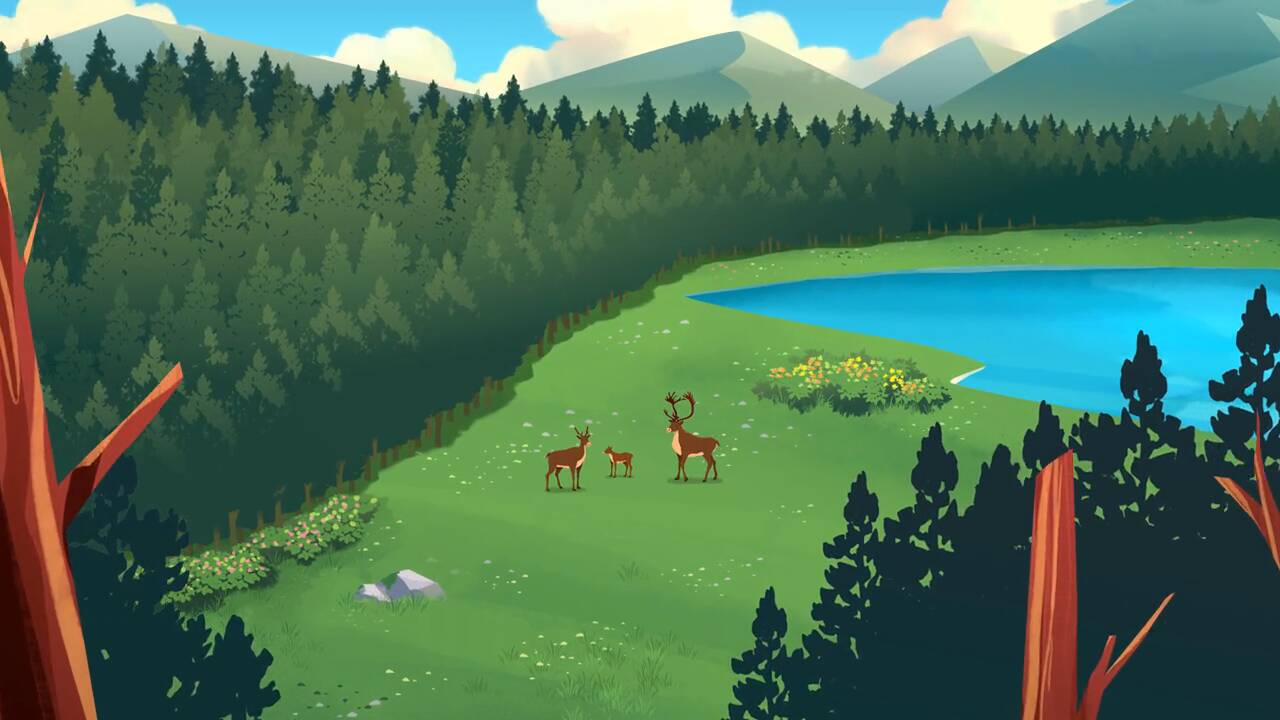
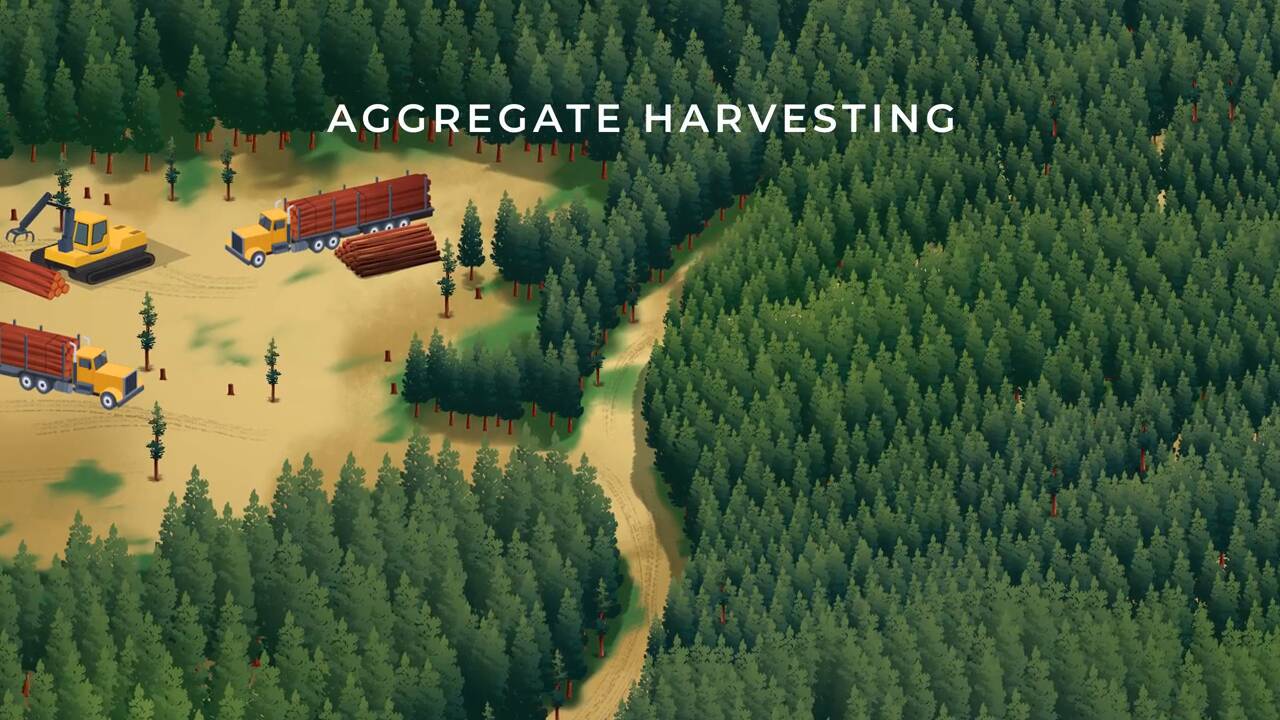
A wildlife conservation animation about woodland caribou habitat in Alberta. It shows how aggregate harvesting helps bring back the undisturbed forest caribou depend on.
Client
Upper Hay Regional Forests
Style
2D Animation
Runtime
1:11
into caribou country
01
The Brief
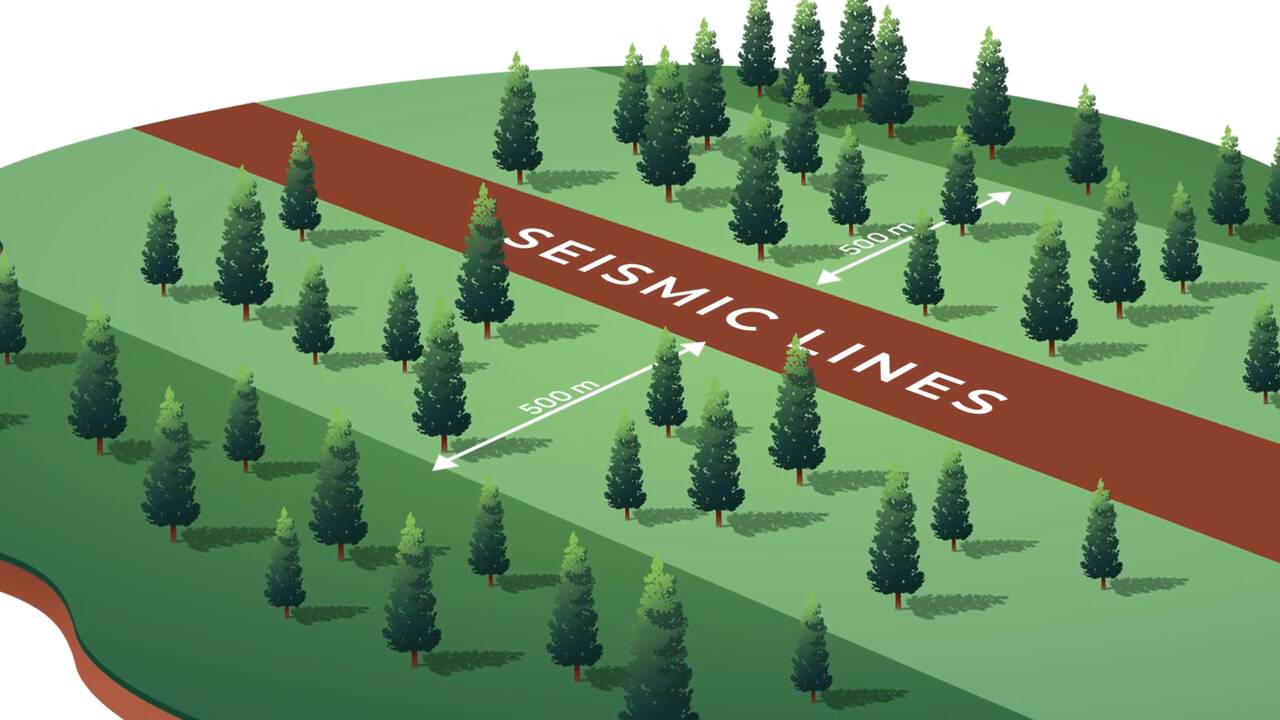
Alberta’s woodland caribou are a species at risk, and the habitat science is technical: disturbance buffers, seismic lines and harvest planning. The animation had just over a minute to make it clear to everyday viewers.
02
Our Animation Approach
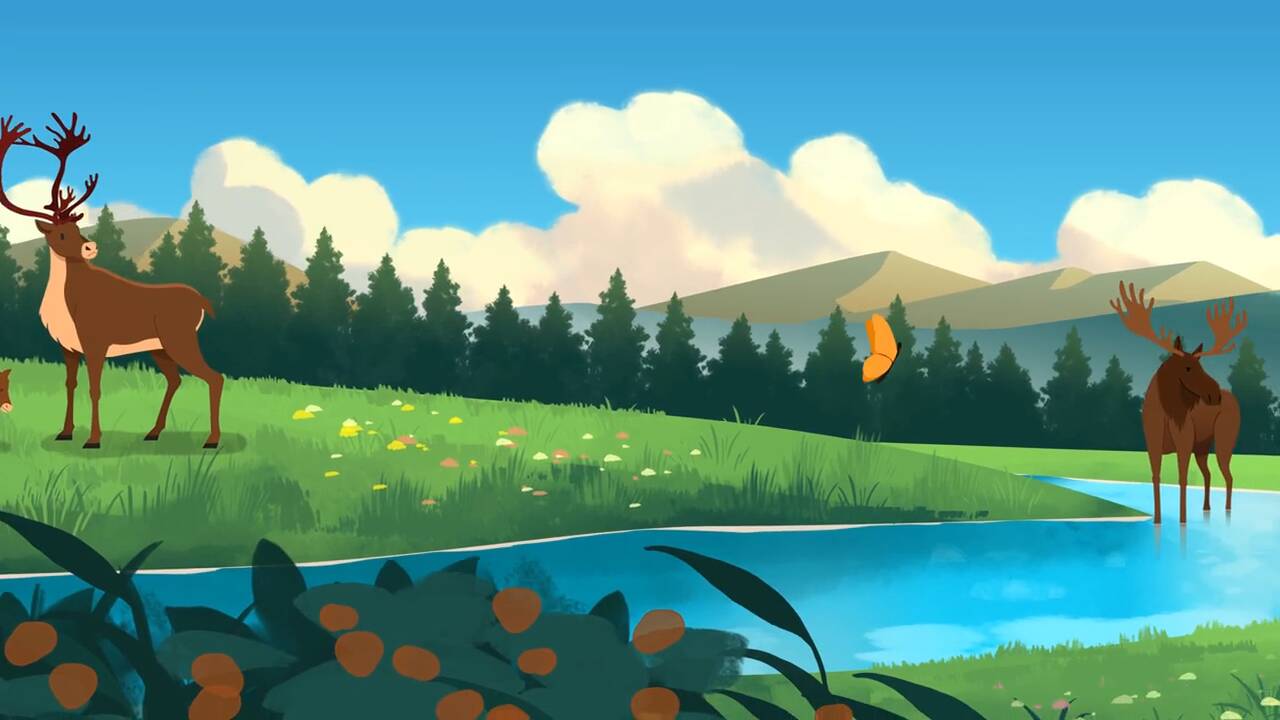
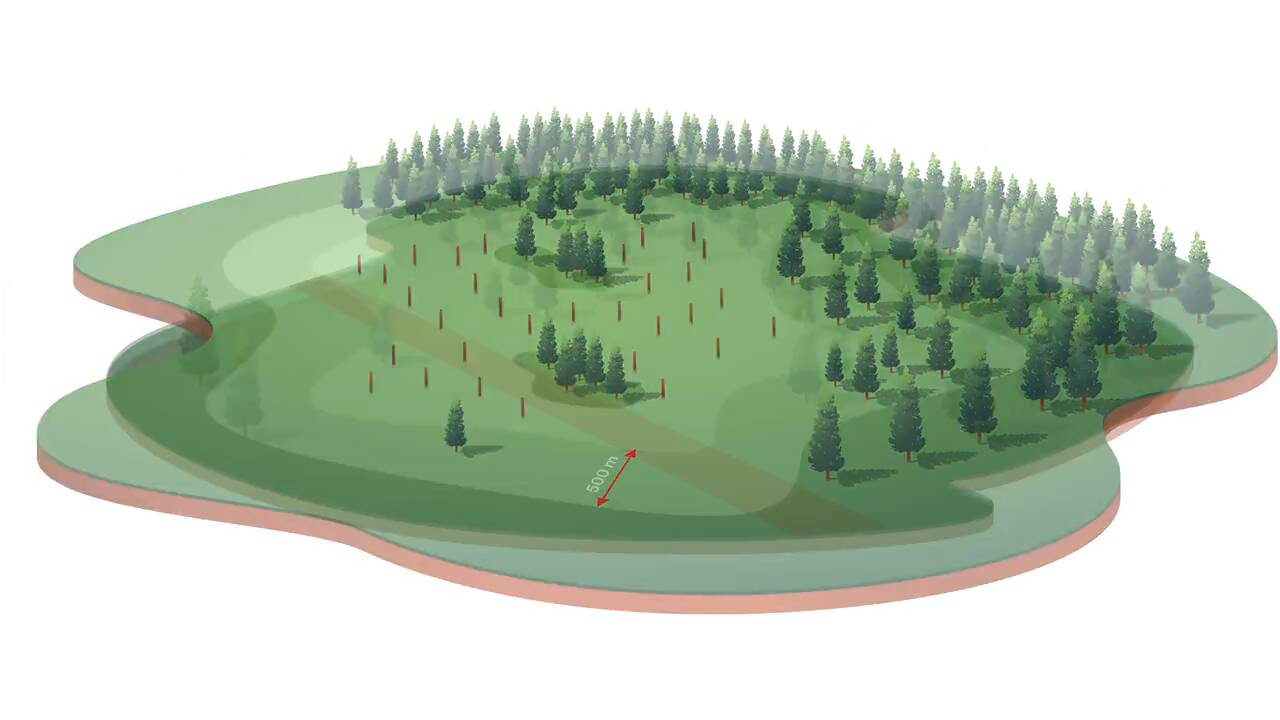
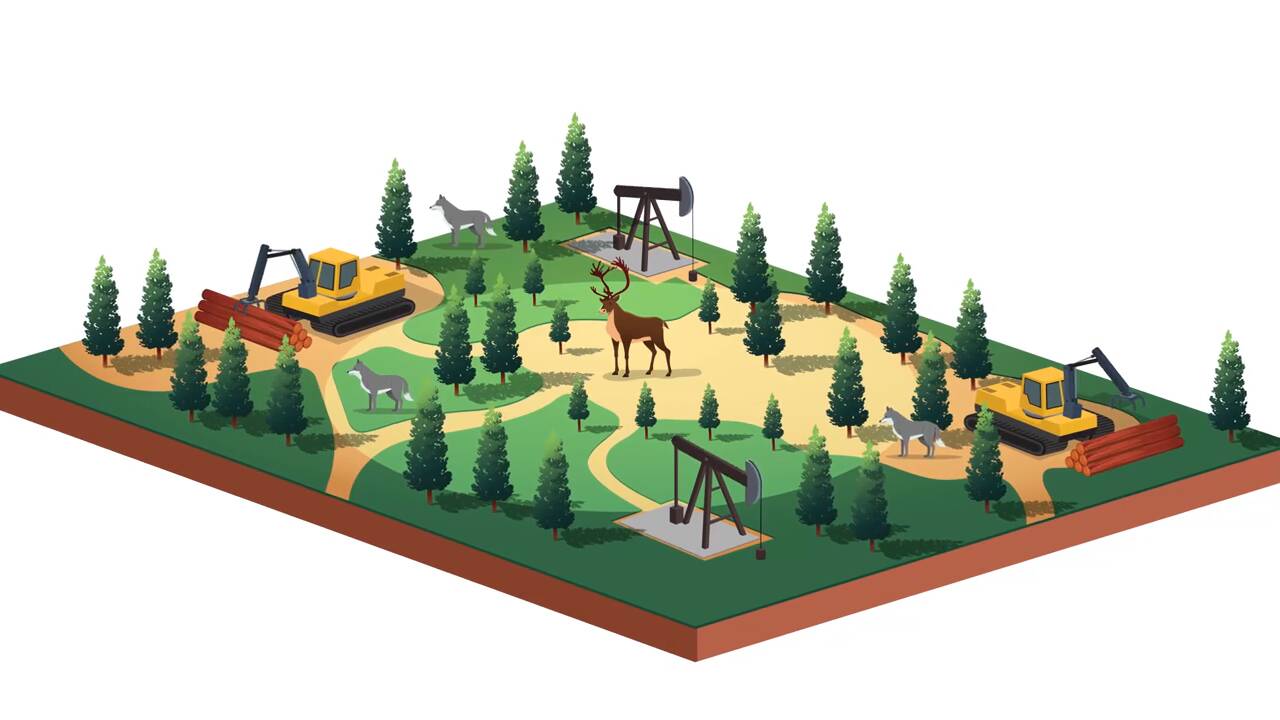
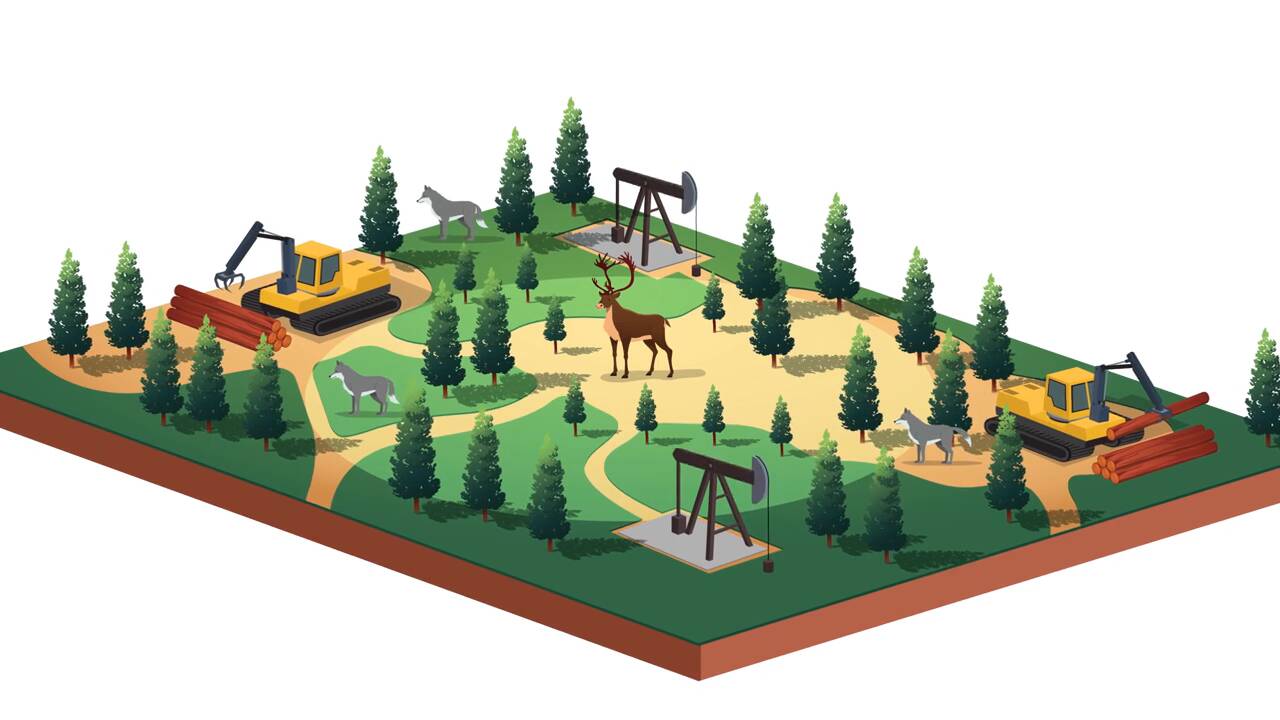
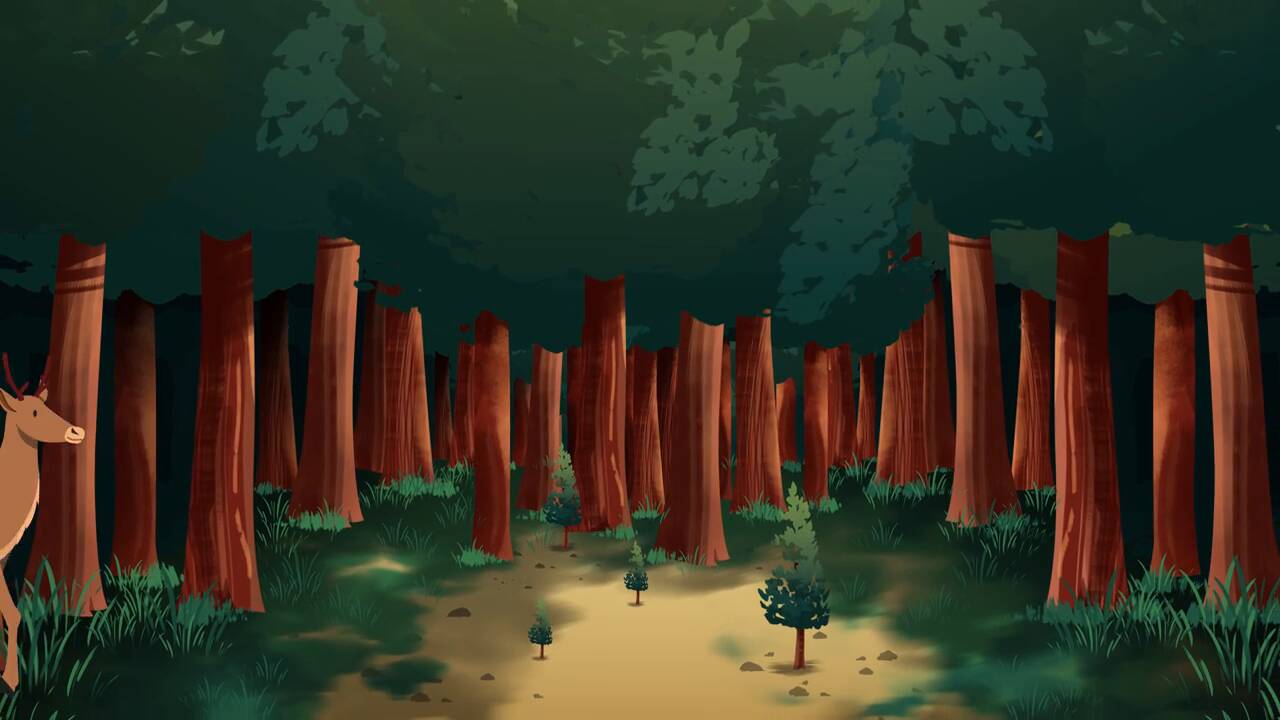
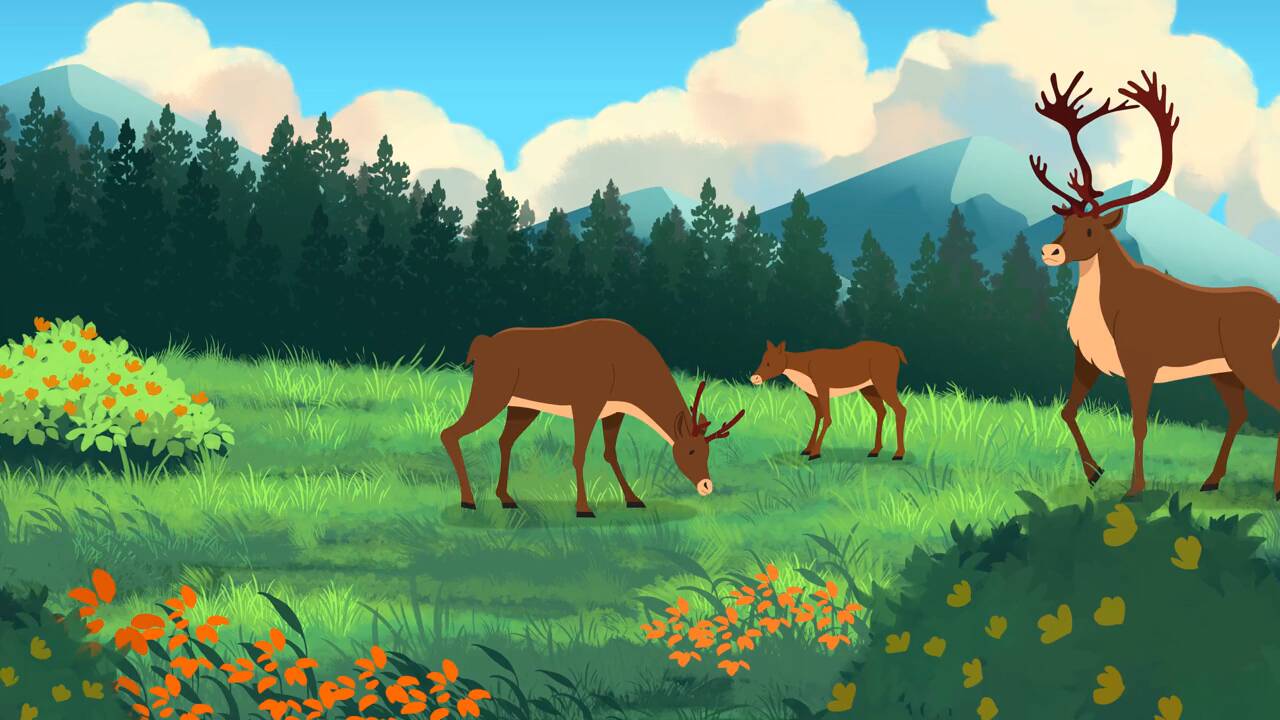
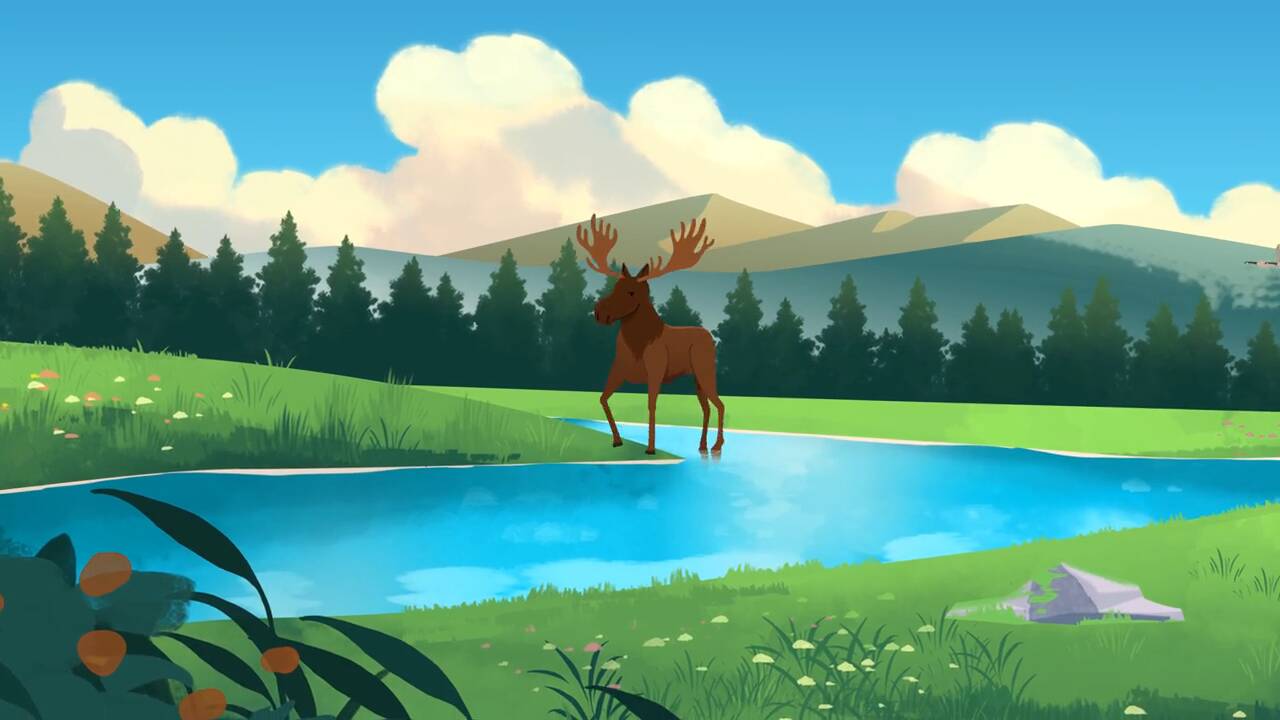
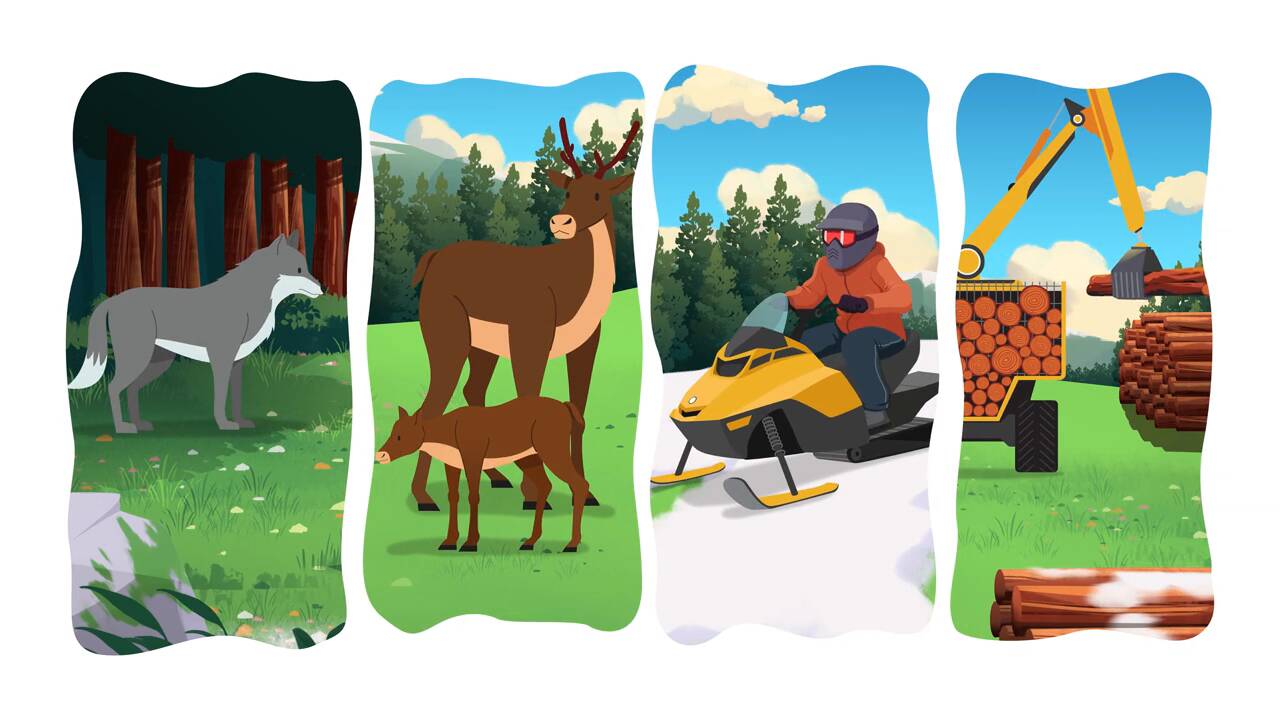
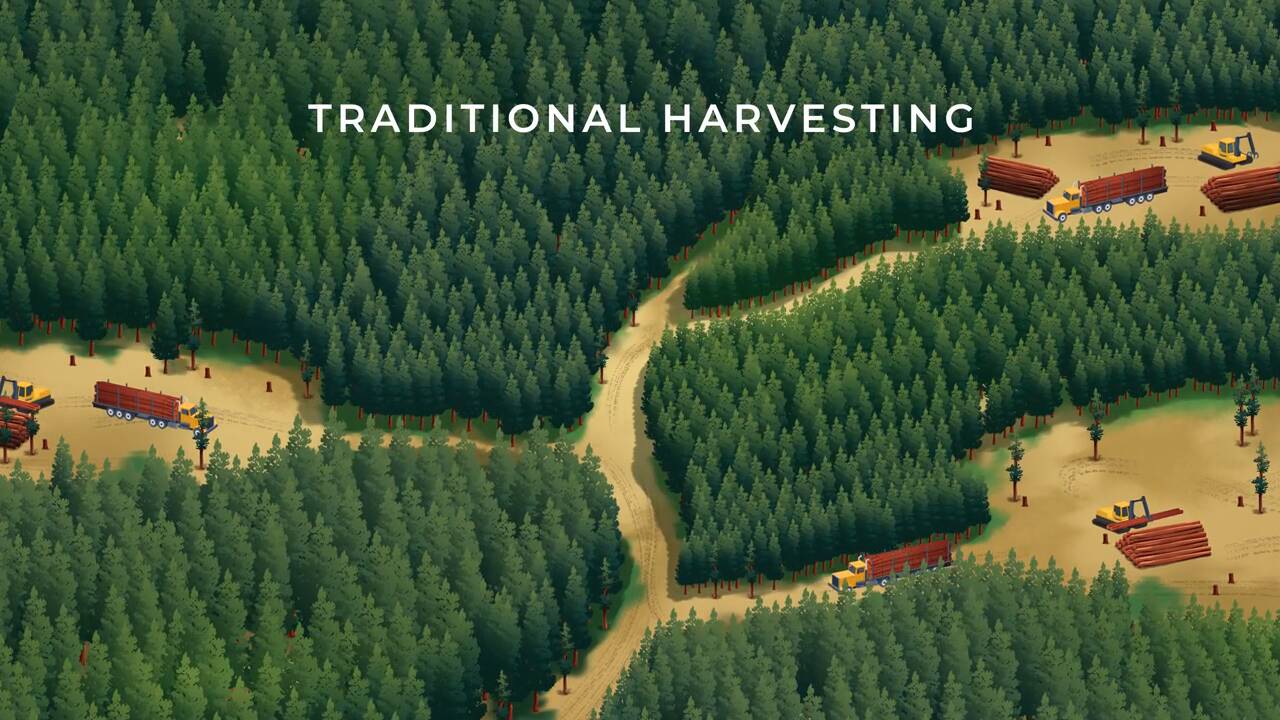
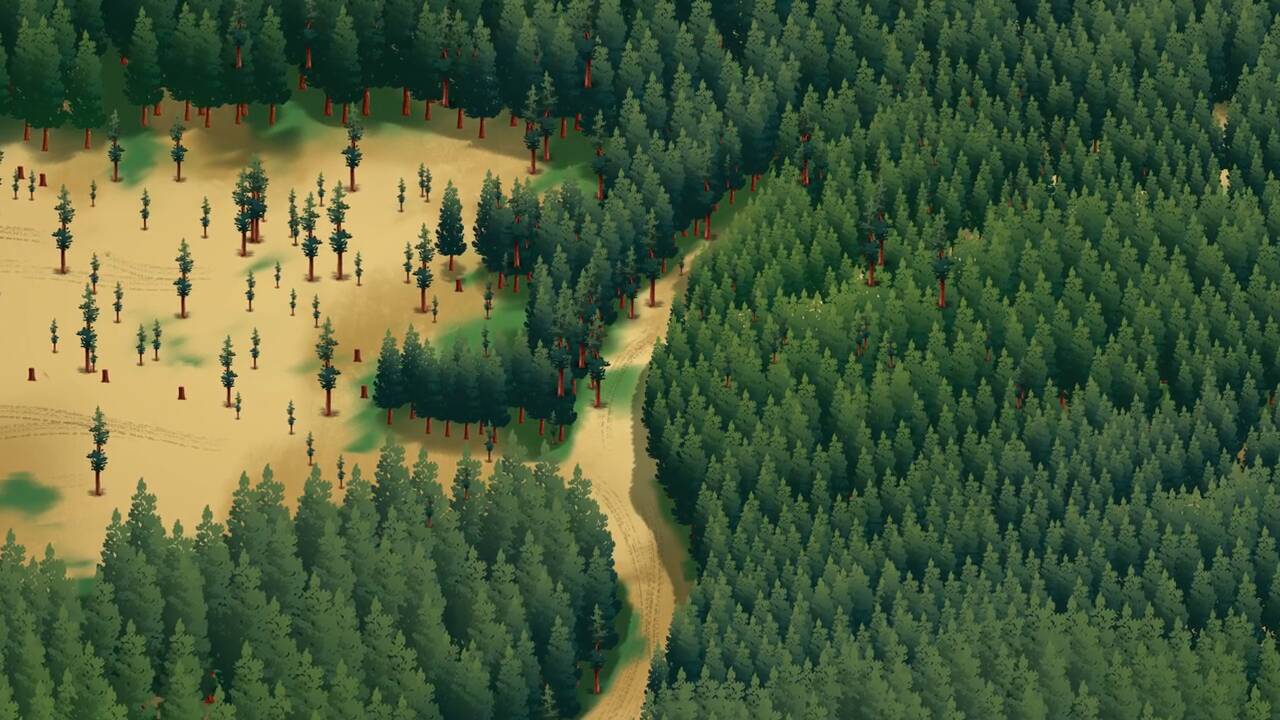
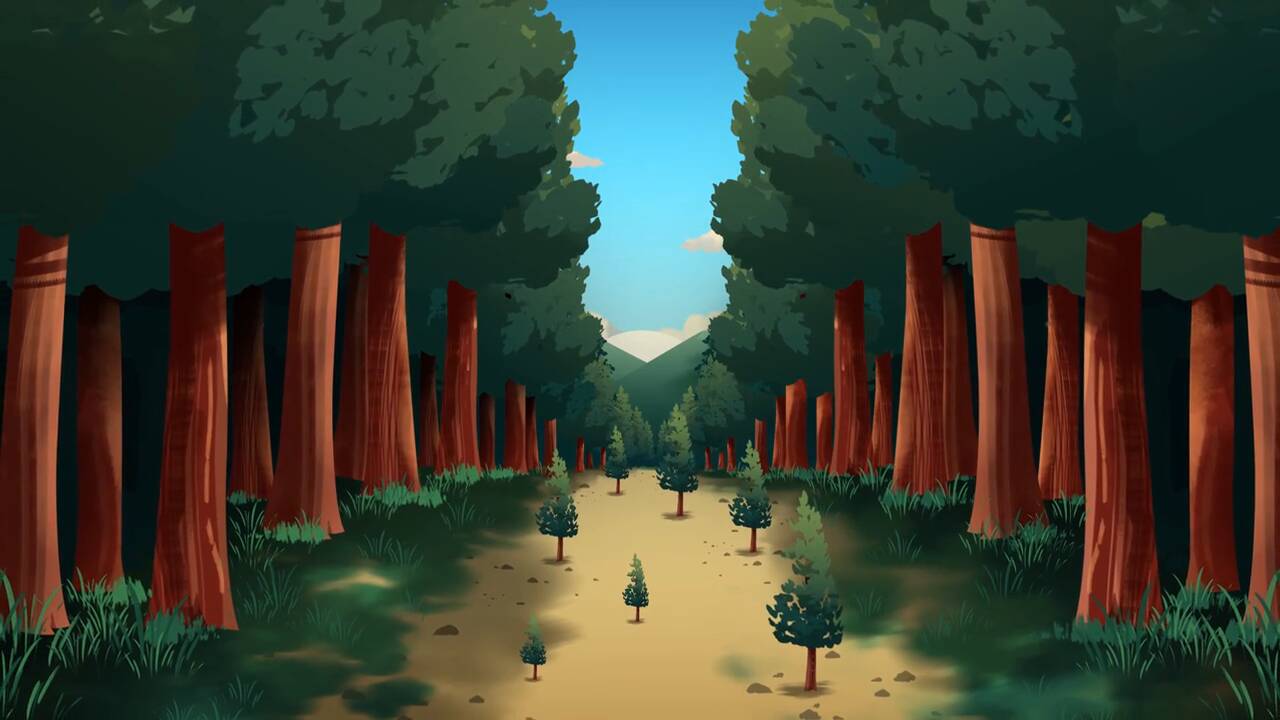
The animation opens in the forest with caribou, moose and wolves. Each kind of disturbance gets its own simple visual. A map then places the caribou at the centre. Two forests side by side compare traditional and aggregate harvesting. Trees fill the gaps and a caribou wanders back in.
eight scenes from the animation
Bringing the forest back
Risk gives way to recovery. Here are eight scenes in order.
1
At risk
Alberta’s woodland caribou.
2
Shared forest
Wolves, moose and caribou.
3
Disruption
Cut blocks and seismic lines.
4
Buffer zone
500 metres around each one.
5
Mapping it
The caribou at the centre.
6
A new approach
Aggregate harvesting.
7
Less road
Logging in one area.
8
Recovery
A caribou returns.
drawn before it moves
Storyboarding the Animation
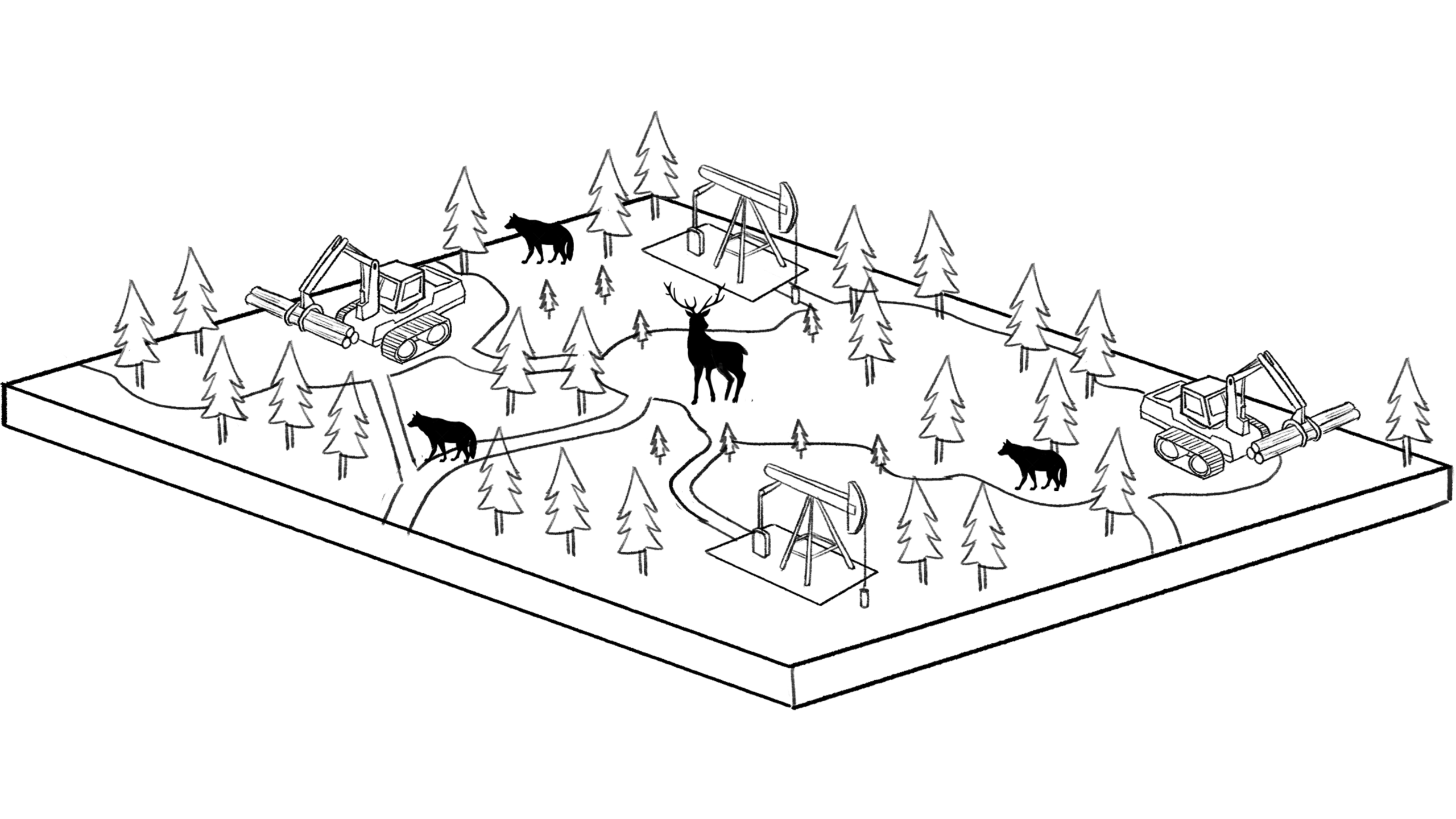
Our artists drew a panel for every narration line before animating, each with one clear action. Select a panel to see the drawing beside the animated frame.
SketchPanel 13Final frame8 of 14
Script
"Harvesting strategies are evolving"
Action
A map of the forest with the caribou at the center and disturbances around it.
the art direction
Illustration and Design
Natural greens and a calm documentary tone. Maps and side-by-side forests make the two harvesting methods easy to compare.