Get an estimate in 60 seconds. No email required.
 by
Larry Mutenda
by
Larry Mutenda
Which educational video production companies should I consider? Our top three for education are Creamy Animation, Blue Carrot and F. Learning Studio. Creamy suits animated lessons that explain one concept clearly. Blue Carrot is a good fit for turning a syllabus into short videos. F. Learning Studio suits skill-based lessons built around decisions.
Educational videos get watched more than once. Students pause, rewind and come back before a test, so every scene has to make sense on its own. Good educational video production companies and elearning video production companies plan for that from the script stage.
These companies work with schools, universities and course builders. Look for clear narration and a style that fits your learners' age.
The table below lines up each company’s focus and fit.
| # | Company | Specialty | Best for | Notable clients |
|---|---|---|---|---|
| 1 | Creamy Animation | Story-driven animated videos | Story-driven explanations for institutions | Western University; Clips University |
| 2 | Blue Carrot | Learning content and animated explainers | Turning a syllabus into short videos | Punahou School; Nurissa |
| 3 | F. Learning Studio | Training and education animation | Skill-based lessons built around decisions | Not published |
| 4 | Epipheo | Explainers across animation and live action | Building a story around one central insight | Google; Microsoft |
| 5 | Learning Pool | Digital learning content and platforms | Large online learning programs | Not published |
| 6 | Sparkol Studio | Custom 2D and whiteboard animation | Whiteboard lessons that build step by step | Medius |
| 7 | Infopro Learning | Custom learning content and training services | Outsourced course and video development | Not published |
| 8 | Ninja Tropic | Training video and eLearning production | Bilingual course libraries | Zia Learning |
| 9 | We Are Cognitive | Whiteboard and drawn explanations | Turning complex ideas into visual explanations | BBC; University of York |
| 10 | simpleshow | Simple explainer and learning videos | Short, plain-language learning videos | Not published |
Four things shaped our picks. Teaching clarity. Production quality. Experience with education clients. Any learning outcomes the company has shared.
Creamy Animation publishes this roundup and ranked itself first. Please keep that in mind.
“Best for” notes are our assessment. Listed clients come from company websites. We mark it plainly when pricing or results aren’t public.
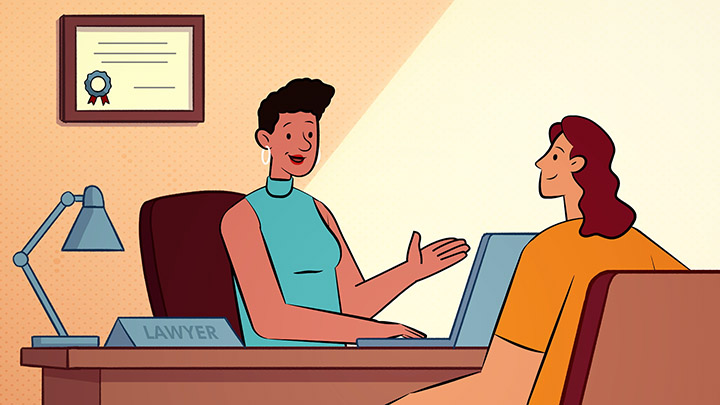
We create animated educational videos for schools, universities and training teams. Our published education clients include Western University and Clips University. Each lesson starts with a learning objective we agree on together. We then plan scenes so a student can rewatch any part and still follow it. Ask how we’d handle a series of lessons. A shared look keeps a course consistent and brings the cost of later videos down. We also plan captions and readable on-screen text from the first draft.
Western University needed videos for young college students fresh out of high school. Creative scripts, eye-catching motion graphics, an energetic voiceover and quirky music. The style matches the audience. The team at Western University was delighted with the final videos.
Results: No public data
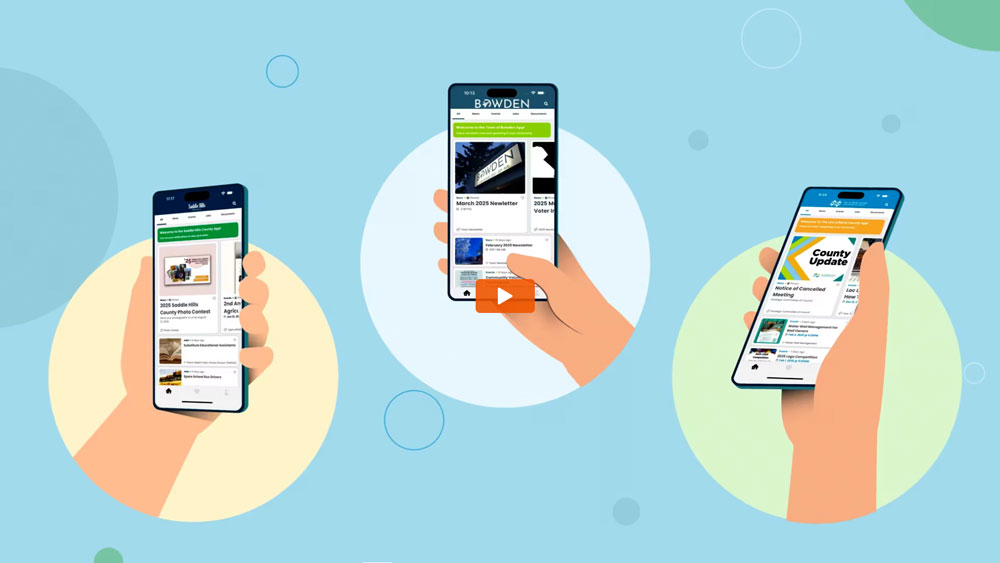
Blue Carrot develops learning content and animated video for education and training. For schools and course providers, that learning background helps. Ask how the team would turn your syllabus into short, focused videos. Look at how they handle subject experts during scripting. Educational video often needs several academic reviews. Find out how many rounds the quote covers. Ask whether they can supply quiz questions or worksheets alongside each video. Extra materials help teachers use the video in class. Check the turnaround for a full module.
Results: No public data
F. Learning Studio builds its animation around how people apply what they learn. In an education setting, that suits lessons tied to a practical skill. Ask how the studio would show a student making a decision or solving a problem. Bring examples of common mistakes your learners make. Good educational animation addresses those mistakes directly. Confirm how instructors review the script and how the final files will work with your course platform. Ask for a sample lesson built around a decision. Then test it with a few learners.
Results: No public data
The strongest reason to consider Epipheo is a brief that needs a clear central explanation. Its published services span animated explainers, educational videos, and live action. I’d ask what the viewer should understand differently by the final scene. Then check whether the creative treatment supports that change. This gives your reviewers a shared test for the work and helps keep new requests from turning the script into a list of features. Use the discovery call to examine the connection between the example and the learning objective.
Results: No public data
Clients shown on Learning Pool's site include Canva, Selfridges and Uniqlo. That suits institutions and employers running large online programs. Video is part of a wider package. Ask whether they produce animated video in-house and see examples made for courses like yours. Platform providers can make it easy to publish and track content. Confirm you can export the videos if you ever change systems. Ask how they make videos accessible, with captions and transcripts. Many institutions require both. Ask for a sample course module.
Results: No public data
Sparkol Studio makes custom 2D and whiteboard animation for organizations that want the video made for them. Whiteboard can work well for lessons that build an idea step by step. Ask how the narration and the drawing will stay in sync. Check whether the style suits older students as well as younger ones. Some whiteboard pieces feel too simple for advanced topics. Confirm how revisions apply to the script, the artwork and the final animation. Ask for a sample on an academic topic.
Results: No public data
On its website, Infopro Learning shows work for Bayer, Deloitte and Dell. That helps when your education team needs extra hands across a full course build. Ask how video production fits into their process and who handles the animation. Large learning vendors may route video to a specialist team. Request examples of standalone educational videos. Then compare the quality and cost with a dedicated animation studio. Ask how they’d keep the style consistent across a whole course. Also confirm who owns the finished files.
Results: No public data
Ninja Tropic produces educational and training video, and it has published a bilingual project for Zia Learning. That bilingual experience matters if your students learn in more than one language. Ask how they plan scripts so both versions stay in sync. Check whether on-screen text is designed to be swapped easily. For a course library, request a pilot lesson first. It lets your team test the format with real learners before the full series goes into production. Ask about caption files for each language.
Results: For Zia Learning, Ninja Tropic says it delivered over 300 videos on time. That measures delivery. It doesn’t report learning gains.
We Are Cognitive has published whiteboard work for the BBC and educational projects. I’d look at it when a concept needs to unfold visually over time. The important test is whether the drawing reveals relationships that narration alone would leave unclear. Bring source material that explains how the ideas connect. Ask the studio to show that structure before discussing decorative detail or deciding how much content can fit. When reviewing this option, focus on the connection between the example and the learning objective.
Results: No public data
simpleshow's portfolio includes work for Miele, Esprit and Microsoft. That combination suits schools and training teams that need many simple videos. You can commission key pieces and make smaller updates in-house. Ask where the line falls between their service and the software. The style is deliberately simple. Check that it fits older or expert learners as well as beginners. Ask about languages and voiceover options for international learners.
Results: No public data
Educational video production explains a subject so viewers can build understanding. An eLearning course video is part of a structured learning experience that may include practice, assessments, and progress tracking. A standalone explanation can work without those course components. Decide whether you need a useful video asset or a complete learning sequence before comparing proposals.
Choose one learning outcome for each core video. A concept lesson can build understanding through an example. A skills lesson should show the action and give the learner a way to practice. If the video belongs in a course, plan the activity that comes next. That helps you avoid treating narration as the entire learning experience.
Educational video budgets depend on the number of lessons, their length and the animation style. Our explainer video cost guide explains what drives price. Creamy’s tiers are:
Course libraries benefit from a shared template. The first video costs the most. Later lessons get cheaper once characters and graphics exist. Epipheo publishes a 4 to 6 week turnaround for its entry explainer tier. Use that as a rough guide for a single lesson.
Educational video fits these settings well.
How to choose the right company
Here are five checks for picking an education video partner.
State what a student should be able to explain or do after the video. Use an action verb like compare, solve or describe. Hand that objective to every company. It gives you a fair way to judge their proposals. Keep it short and specific.
Watch a full lesson the company made. Pause it as a student would. Ask whether each step makes sense on its own. Educational video gets rewatched, so clarity at every moment matters more than flashy transitions. Note where you’d stop to take notes.
Ask the course instructor or subject lead to review the script. Wrong terms confuse learners. Find out how the company handles feedback from academic reviewers and how many rounds the price includes. Book the reviewer’s time early so feedback doesn’t hold up the schedule.
Confirm captions, transcripts and readable on-screen text. Many institutions have strict accessibility rules. Ask about color contrast and narration speed too. These are cheaper to plan up front than to fix later. Ask for an accessibility checklist with the final files.
If you need more than one video, ask for a style that can scale. Shared characters and templates keep later lessons consistent and cheaper. Request editable files so future updates are simple. That planning pays off from the second lesson onward.
An animated educational video’s price depends on length, style and how complex the lesson is. Creamy offers AI-Assisted, Standard and Premium tiers from $2,500 up to $25,000. Ask for series pricing when you need a full course. Ask what it costs to update a lesson later.
A single lesson often takes a few weeks from script to final file. Academic review can extend that. A course library takes longer overall, but each lesson moves faster once the template is approved. Book instructor review time before the project starts.
Pick a company that can show full lessons and explain how they check learning. Ask how they work with instructors. Compare accessibility support, series pricing and file ownership before you commit. Ask how they’d adapt the style for younger or older learners.
Most packages include script, storyboard, animation, narration, captions and final files. Quizzes, interactive elements and translations may be extra. Request the list in writing. Confirm the files will work in your learning platform. Ask whether transcripts and caption files come as separate deliverables.
Use a production company for core lessons that many students will see. Keep quick explainers in-house if staff can record and edit simple videos. Many schools have a studio design the look, then build smaller pieces themselves. Share the templates and fonts with your in-house team.
An educational video can stand alone, while an eLearning course video belongs to a structured learning experience. That course may also require activities, assessments, and progress tracking. Clarify whether the company is producing only the video or developing those surrounding components. The difference affects the expertise, deliverables, and review process you need.
Conclusion
Good educational video makes a hard idea easy to grasp and easy to rewatch. Shortlist a few companies here and send each the same learning objective. If you want a clear animated lesson, Creamy is happy to help.

Larry is the founder and Chief Storyteller at Creamy Animation, founded in 2009. He leads a team that creates story-driven videos for businesses and nonprofits. 15+ years in video strategy and production, specializing in SaaS, B2B, and nonprofit storytelling. A marketer, designer, and animator, Larry has overseen the production of more than 1,500 videos for Fujitsu, Logitech, Warner Brothers, NFL, Blockdaemon, Astronomer, Canonical, and 370+ others.
For Larry, God is first, and everything else is a blessing that comes from serving Him. When he’s not working, he’s hanging out with his wife and three kids, playing the piano, or pursuing his filmmaking side hustle.