Get an estimate in 60 seconds. No email required.
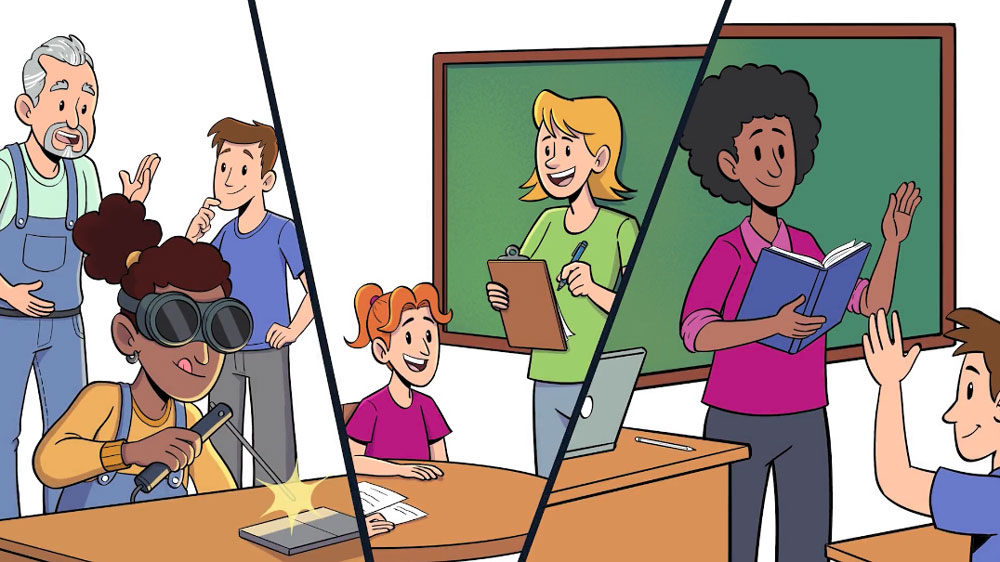
A 2D explainer video uses flat illustration, characters and motion graphics to make a product or idea easy to understand. These 22 2D explainer video examples come from real companies and cover character animation and motion graphics.
 Larry Mutenda
| What are the best 2D explainer video examples? Strong 2D explainer video examples include Ubuntu by Canonical for an open source platform, TestBox for software trials, Warner Brothers for an entertainment brand, ACS Security for home and business security, Assurance Wilson for wealth planning, Disability Rights Oregon for legal advocacy, Lucid for packaging waste, Woo Smart Search for recruiting, Vitrium for content protection, MonoCloud for app authentication, Lean BC for process improvement, Kids Vaccination for a health topic, HST for medical billing, New Gold for mining, Upper Hay Regional Forests for caribou habitat, Tourism Burnaby for tourism economics, Stand Informed for legal support, ChartLamp for medical records, Accounting Aid Society for scam awareness, IP GoBox for online ordering, Brightidea for innovation proposals and LSI Credit Solutions for credit repair. |
A 2D explainer video is a short animated video built with flat, two-dimensional illustration and motion. It explains a product, service or idea, usually in 30 seconds to 2 minutes. 2D is the most common explainer style because it is fast to produce, easy to revise and flexible enough for almost any subject.
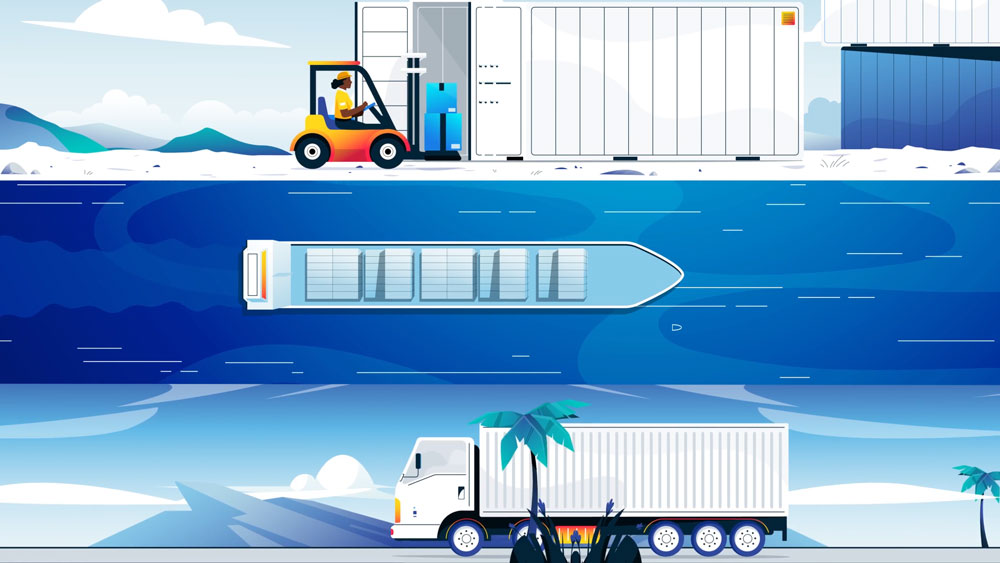
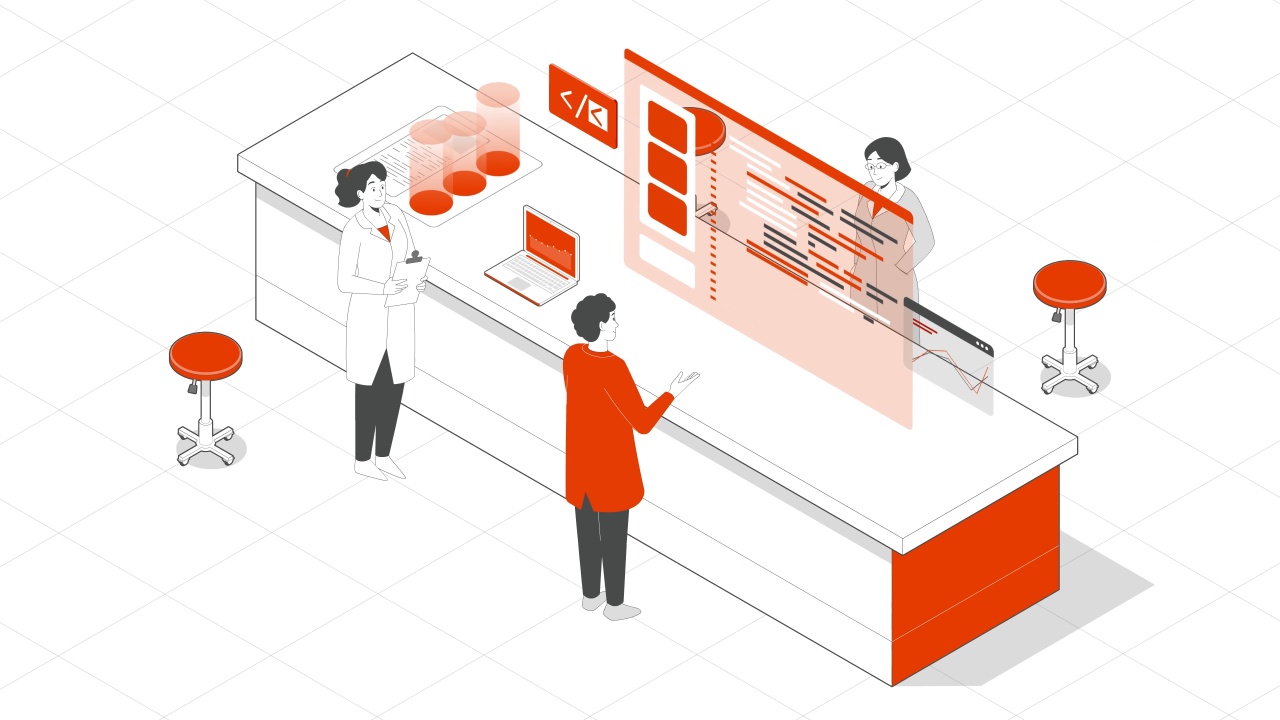
The style covers several looks, from character animation and flat motion graphics to infographic and isometric scenes. All of them fall under 2D animation. Teams use the finished video on homepages, product pages, in sales decks and on social.
This article looks at 22 2D explainer videos from software, finance, health care, nonprofit, government and resource organizations. For each one, I describe what the video shows and why the 2D style suits it. After the examples, I cover what a 2D explainer video costs and how to plan one.
Here is a quick overview of the 22 videos in this article. The table links to each example below.
Every entry had to pass four checks. The video uses 2D animation as its main style. The message is clear: it states what the company does, who it is for and why it matters, without burying that under a feature list. The video is still live and embeddable today. And it shows a distinct use of 2D, from characters to motion graphics.
All 22 examples come from the Creamy Animation video library.
| # | Company | Use |
|---|---|---|
| 1 | Ubuntu by Canonical | Motion graphics explainer for a platform with no single screen |
| 2 | TestBox | Problem-first 2D explainer for a SaaS buying model |
| 3 | Warner Brothers | Character-led 2D explainer for an entertainment brand |
| 4 | ACS Security | 2D explainer for a service that is hard to film |
| 5 | Assurance Wilson | 2D story for a financial planning firm |
| 6 | Disability Rights Oregon | Accessible 2D explainer for a nonprofit |
| 7 | Lucid | 2D story that makes a waste statistic personal |
| 8 | Woo Smart Search | 2D motion graphics for a recruiting tool |
| 9 | Vitrium | 2D explainer for content protection software |
| 10 | MonoCloud | One-minute 2D explainer for a developer platform |
| 11 | Lean BC | Step-by-step 2D explainer for a process method |
| 12 | Kids Vaccination | Conversation-led 2D explainer for a health topic |
| 13 | HST | 2D explainer for a confusing medical bill |
| 14 | New Gold | 2D mission video for employees |
| 15 | Upper Hay Regional Forests | 2D explainer for a forestry practice |
| 16 | Tourism Burnaby | Character-led 2D explainer for economic data |
| 17 | Stand Informed | Reassuring 2D explainer for a legal support program |
| 18 | ChartLamp | Short 2D explainer for a health tech product |
| 19 | Accounting Aid Society | Character story about avoiding IRS scams |
| 20 | IP GoBox | 2D explainer for a self-serve ordering portal |
| 21 | Brightidea | First-person 2D story for a workflow tool |
| 22 | LSI Credit Solutions | 2D explainer for a local credit repair service |
This video introduces Canonical, the company behind Ubuntu. It opens by showing how open source sits behind everyday activities like driving, shopping, streaming and calling family. It then explains that open source was long a tool for experts. Canonical was founded to make it easy for everyone. The story moves from the launch of Ubuntu in 2004 to the wide range of products Canonical offers today, from small devices to large clouds. The 2D motion graphics give shape to software that has no single screen to film. A technology company can use this type of video on its homepage or in a sales deck to explain a broad platform in under two minutes. The Ubuntu video is drawn from the video library of Creamy Animation.

TestBox is a platform that lets companies test software before they buy it. The video starts with a buyer researching CRM and ERP tools. The buyer then gets stuck in a long sales demo with a character called Enterprise Steve. Only after that frustration is clear does the video introduce TestBox as a self-serve way to compare tools side by side. It shows how TestBox builds a test environment with sample data that looks like the buyer’s own. It also shows how teams can work in that environment together. The humor keeps a dry topic light. The problem-first order makes a new way of buying software easy to follow. SaaS companies can use this approach when buyers do not yet know their category exists.
This video for Warner Brothers explains Advanced Narratives, a concept for AI-driven content that adapts to each viewer. It describes how one story could move across a TV, a computer, a car or an immersive device. Viewers could sit back and watch. They could also lean forward and change the story, or even become a character in it. The 2D animation turns an abstract idea about the future into scenes people can picture. It breaks a complex vision into a few simple parts and ends with a clear call to rethink storytelling. Entertainment and media companies can use this type of video to pitch a new format to partners, investors or internal teams before the technology is built.
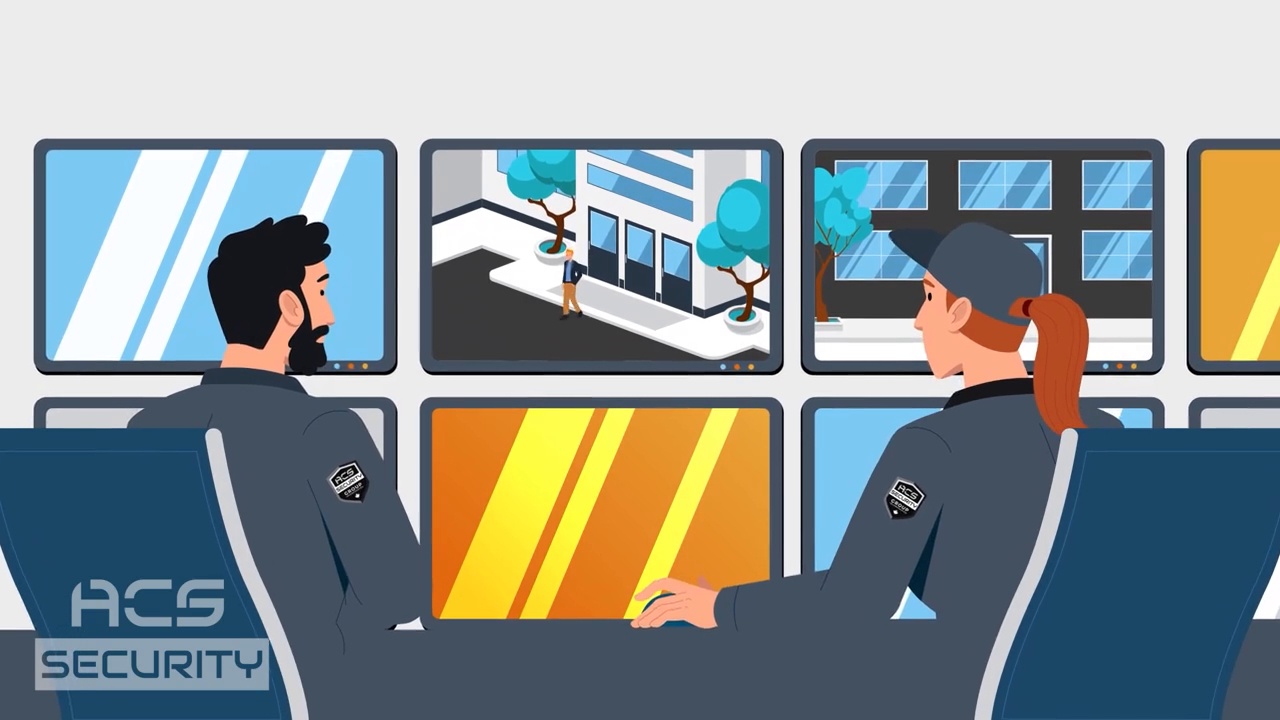
ACS Security Group offers continuous surveillance monitoring for businesses. The video opens with the cost of theft and property damage and the limits of guards and basic cameras. It then explains how AI-powered cameras track people and vehicles on a property. Remote agents can zoom in to check any suspicious movement. When criminal activity is detected, police and mobile patrols are notified right away. The video compares the yearly cost of a security guard with the lower cost of the monitoring service. It also lists optional features like fire detection and fall alerts. Animation shows these scenarios without staging a real break-in. Security and service companies can use this type of video to explain how a system works behind the scenes and why it costs less than the usual option.
This video for Wilson Insurance and Financial Strategies follows Mike, a business owner with more than twenty million dollars in his holding company. Mike wants to keep growing his wealth rather than spend it. The story shows how he invests in his business and in a life insurance asset at the same time. It explains the two parts of that policy in plain terms. One part is a death benefit that moves money out of the corporation tax free. The other is a cash component that can fund business opportunities. Following one character makes a complex tax strategy easy to understand. Financial firms can use this type of story-led video to explain a strategy their clients rarely hear about and invite them to book a conversation.
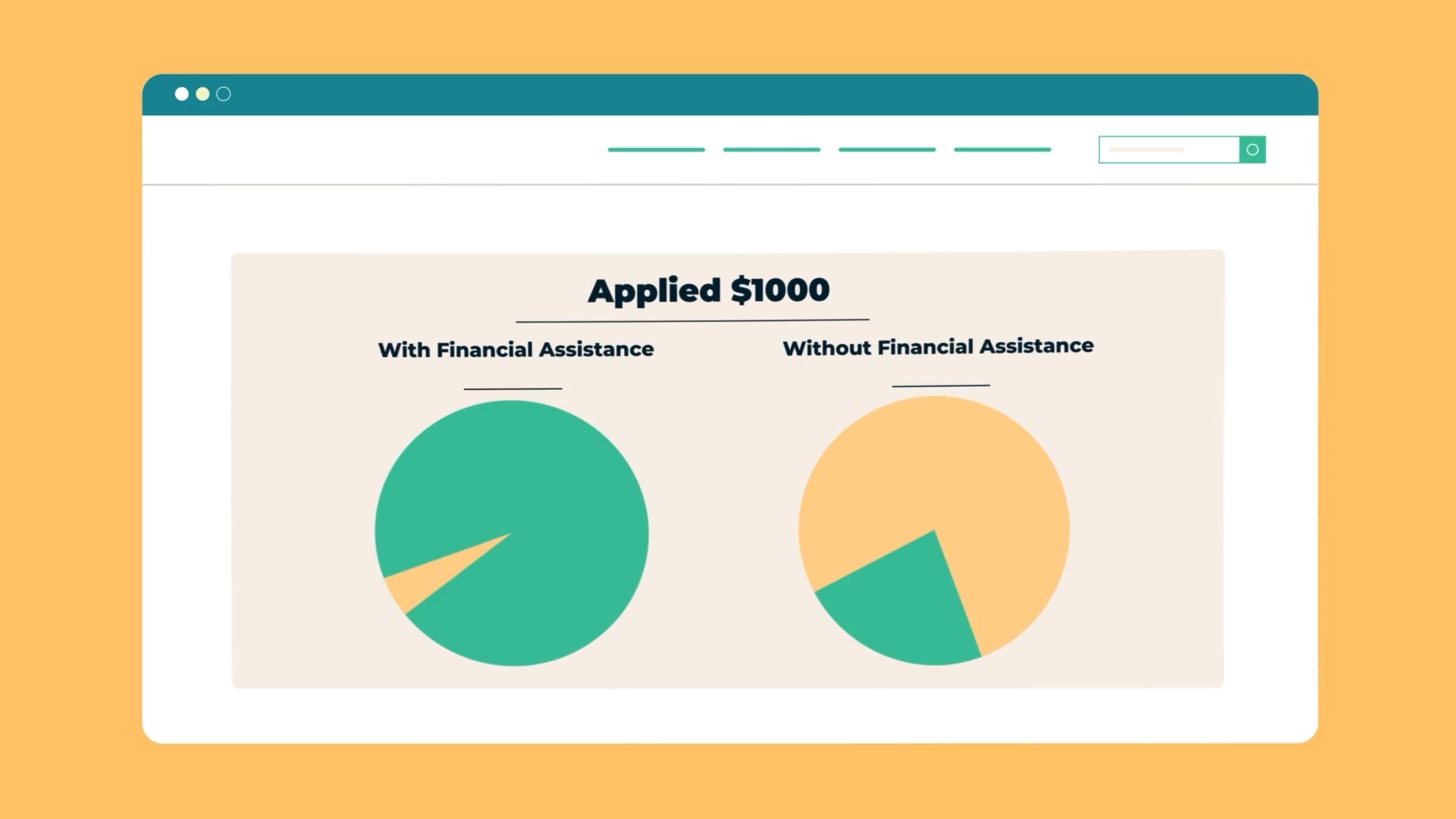
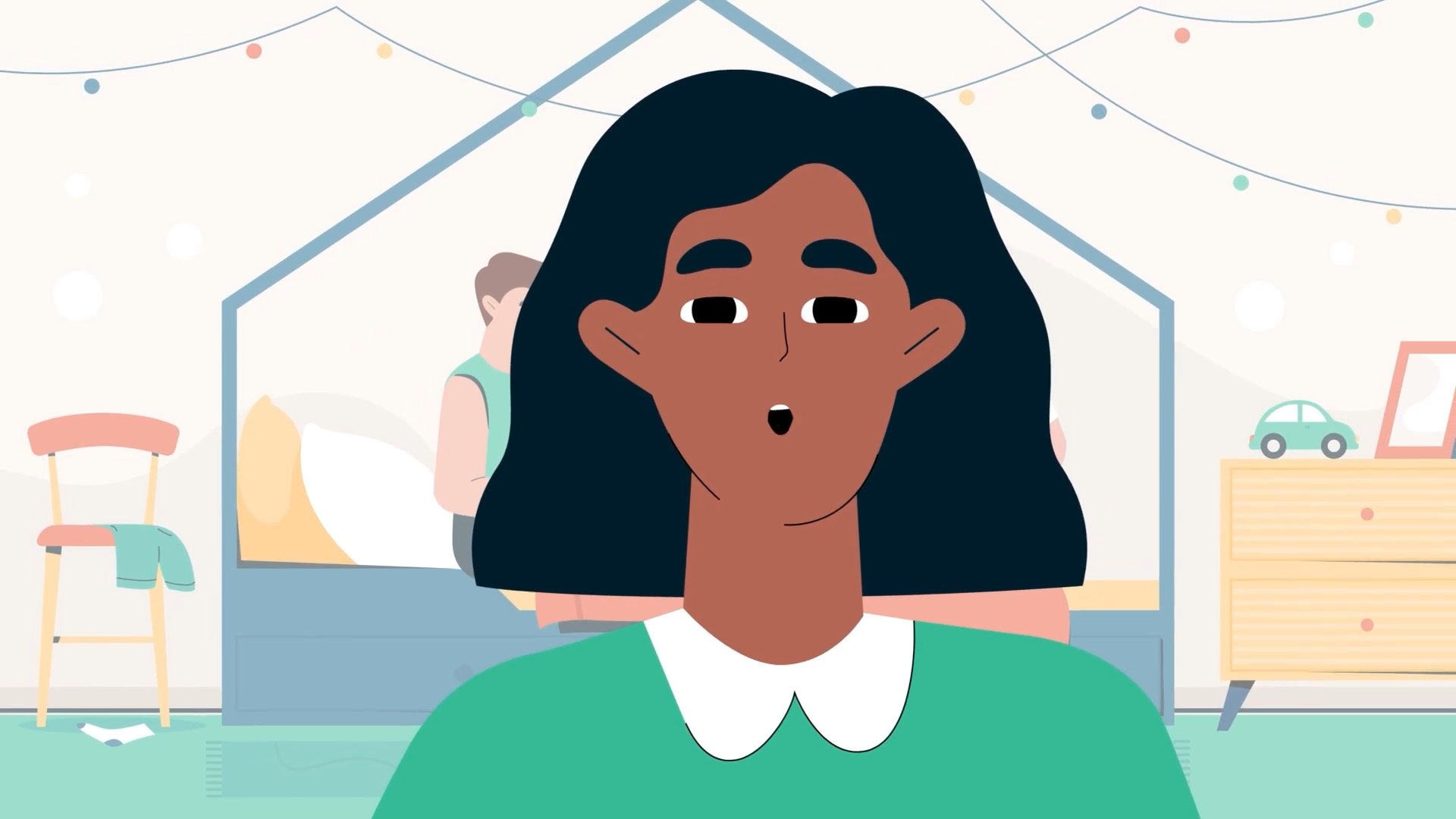
Disability Rights Oregon made this video to explain a problem with prescription drug costs. It shows how drug companies offer financial assistance to help patients pay for medication. It then explains that some insurance companies no longer count that assistance toward a patient’s out-of-pocket costs. Many patients only find out partway through the year, when they suddenly owe thousands of dollars for refills. The video makes the case that Oregon should stop insurers from keeping that assistance. It ends with a clear call to learn more and support the change. The 2D animation turns a policy issue into a story people can follow in about a minute. Nonprofits and advocacy groups can use this type of video to build public support for a campaign.
case study
See How We Made This Healthcare Policy Explainer Video and Why It Works

Brief, script, storyboards and final frames
See The Case StudyThis video for Lucid opens with a striking number. Every year, 50 billion meat trays with soaker pads end up in landfills. The script then turns to the viewer and frames the solution as a choice people make every day without thinking. The animation shifts from an ordinary moment into a surreal future built by those choices. Trays fall faster and pile higher until there is no space left. The video closes with how many trays were dumped since it started playing. The 2D style lets the story bend reality in ways a camera could not. Brands with an environmental message can use this type of video to make a huge statistic feel personal and urgent.
Woo Smart Search is a tool for recruiters. The video starts with a common frustration. Finding the right candidate takes too long, and most companies ignore the database they already have. It explains why searching that database is hard, from outdated profiles to restrictive keyword searches. Then it shows how Woo connects to an applicant tracking system, updates candidate profiles with data from across the web and organizes each resume. Smart tags let recruiters search by expertise, company type, education and experience in seconds. The tool also sends alerts when a new candidate matches a search. The 2D motion graphics make a data process easy to picture. HR tech and SaaS companies can use this type of video to show how their product works with tools the customer already uses.
Vitrium protects digital content from piracy. The video opens with statistics on how often ebooks are copied and shared without permission and how many companies lose revenue to content theft. It asks viewers to picture the time and money lost when their own work is shared without consent. It then walks through how Vitrium works. Content can be shared securely through email, a web portal or an ecommerce system. Owners can set permissions, limit devices, block countries, add watermarks and revoke access at any time. The animation turns a long feature list into clear visual steps. Software companies can use this type of video to explain a security product to buyers who are not technical.
MonoCloud gives app developers ready-made authentication. The video speaks directly to developers who want to focus on their product. They do not want to build login systems, payment gateways or email delivery from scratch. The video then shows what MonoCloud handles for them. Users can sign up with social logins, magic links or one-time passcodes. A visual designer lets teams build login flows that match their brand. The video also covers authentication between machines, such as APIs, microservices and devices. The 2D motion graphics show screens and connections without getting lost in code. It ends with a simple call to sign up. Developer tool companies can use this format to explain a technical product in plain language.
This video for Lean BC explains DMAIC, a problem-solving method used in Lean project management. It opens with questions most teams have asked, such as why a task takes so long or what customers think of a service. It then moves through each phase in order. The team defines the problem, collects data and holds a workshop called a Kaizen with the people who do the work. Together they map each step of the process, remove what is not needed and plan the change. The video ends with how the team measures results over time. Each phase gets its own scene, so viewers never have to hold two ideas at once. Training providers and public sector teams can use this type of video to teach a method before a workshop.
This video plays out a conversation between a parent and a health care provider about a toddler’s COVID vaccine. The parent asks the questions many parents have. Is the vaccine safe? Is COVID serious for young children? Does breast milk give enough protection? Can the shot wait for another visit? The provider answers each one with a short, clear fact. Then the provider explains the possible side effects. The visit ends with the parent agreeing to the vaccine. The question and answer format feels like a real appointment rather than a lecture. Health organizations can use this type of video to answer common patient concerns in a calm and friendly way that viewers can relate to.
This video explains balance billing to members of a value-driven health plan. It uses a simple example. A patient pays a thirty-five dollar copay. The plan covers eighty dollars of a one hundred dollar bill. The provider then bills the patient for the remaining twenty. The video shows how to spot a balance bill even when it does not use that word. It then explains how HST’s services help and what members should do next. They should not pay the bill. They should contact the Patient Advocacy Center, which will negotiate with the provider. Clear numbers on screen make the example easy to follow. Health plans and benefits companies can use this type of video to explain a confusing bill before members panic.
New Gold uses this video to explain its mission to employees. It describes the company as a Canadian gold producer that runs several mines and also produces copper and silver. A large part of the video focuses on its partnerships with Indigenous nations. It explains that agreements with these communities cover environmental care, education, jobs and business opportunities. It closes by pointing employees to town halls and crew meetings. There they can hear company news and ask questions. The 2D animation gives a corporate message a warm and human tone. Mining and resource companies can use this type of video in onboarding to explain their values and their commitments to the communities they work with.
This video for Upper Hay Regional Forests explains how forestry can help woodland caribou in Alberta. It starts with why caribou are a species at risk. They need large areas of undisturbed habitat. Past harvests and seismic lines have broken that habitat up. The video then introduces aggregate harvesting, which concentrates logging in fewer areas and reduces the need for roads. It also shows how replanting helps reconnect habitat cut by seismic lines. Simple maps and illustrations make a land management idea easy to understand. Forestry, energy and environmental organizations can use this type of video to explain a technical practice to the public and show what they are doing to protect wildlife.
Tourism Burnaby uses this video to explain the full economic value of tourism to its city. It follows three groups of visitors. A family comes for a Halloween festival. A society holds a clean energy conference. Teams arrive for a global ringette championship. Each group shows a different type of economic impact. The story moves from direct spending to the jobs, wages and tax revenue that visitors support across the city. The video then adds the figures up to more than 1.28 billion dollars a year. Following real kinds of visitors makes large numbers feel concrete. Tourism boards, economic development offices and city governments can use this type of video to show residents and partners why visitors matter.
This video explains Stand Informed, a program that offers free legal advice to people in BC who have experienced sexual assault. It starts by making clear who can use the service. There are no gender, age, race or immigration requirements. People do not have to report to the police first. The video then walks through each step. An intake coordinator learns what happened. An interpreter or a support worker can join the call. The person is then matched with a lawyer for up to three hours of advice. The tone stays calm and reassuring throughout. Legal clinics, nonprofits and support services can use this type of video to explain a sensitive process and make it easier to reach out.
ChartLamp turns written medical records into visual images. The video opens with a comparison many clinicians will recognize. Searching a medical history can feel like stumbling through a dark room to find one thing. ChartLamp is then introduced as the light. It converts text-based medical information into graphics that map a person’s history onto the body. The video explains that this makes review and communication faster. It also says the service costs less than text-based summaries. Clean 2D visuals show the product’s idea without real patient data on screen. Health tech startups can use this type of short video to explain a new product to clinicians, partners or investors in about a minute.
This video for Accounting Aid Society tells a short story about Todd. He gets a text message that claims to be from the IRS, and he feels nervous. Before he replies, he calls his cousin Ruby. She explains that the IRS never contacts people by text, email, social media or phone. It only sends letters. The video then explains what to do with a real IRS letter, from reading it carefully to calling the number printed on it. It ends by pointing viewers to a local Low Income Taxpayer Clinic for free help. Two everyday characters make the advice easy to remember. Nonprofits and financial services can use this type of video to warn people about scams.
IP GoBox is an online ordering platform from International Paper. The video opens with a familiar annoyance for customers. They wait too long for order updates and cannot tell which trailer holds their boxes. It then introduces the platform with a simple promise. Customers can pick, click and go. The video shows how they can place orders, view open orders, check trailer and invoice numbers and print documents without waiting for a reply. It also points out that product specs and pricing are available at any time. The short runtime keeps the message focused on one benefit. Manufacturers and B2B suppliers can use this type of video to move customers onto a self-serve portal.
This video for Brightidea is told by Mark, a former Amazon employee. At Amazon, teams wrote long narrative memos before starting any new idea. At his new company, projects are approved from weak slide decks with no clear owner, data or timeline. Mark introduces Brightidea Memo as a tool that helps teams write and review these memos. The video walks through templates, margin comments, peer reviews with scores and an AI writing assistant. It also shows how leaders can track proposals and rank the strongest ones. A first-person story makes a workflow product feel relatable. Software companies can use this type of video when their product changes how a team works, not just which tool it uses.
LSI Credit Solutions helps people repair a bad credit score. The video opens by saying that good people sometimes end up with bad credit. It then contrasts LSI with companies that send generic dispute letters month after month while credit gets worse. It explains that LSI negotiates and settles unpaid debts. Clients can also meet a local advisor face to face. The video mentions a lifetime warranty and points viewers to online reviews. It ends with an offer for a free consultation. The friendly tone takes some of the shame out of a sensitive topic. Local service businesses can use this type of video to explain how they differ from competitors and build trust before the first call.
Price depends on runtime, visual treatment and production scope. Most projects fall into one of three tiers.
| Tier | Typical range | Best for |
|---|---|---|
| AI-Assisted | $2,500 to $4,000 | Simple 2D visuals on a short timeline |
| Standard | $3,000 to $10,000 | Custom 2D illustration, motion graphics, voiceover and sound design |
| Premium | $10,000 to $25,000 | Custom character animation, complex scenes or longer runtimes |
Most 2D projects take 3 to 6 weeks from creative brief to final delivery. For a full breakdown by style and length, see the explainer video cost guide.
Pick the style that fits the message. Character animation suits stories about people, like Warner Brothers and Assurance Wilson. Motion graphics suit a platform with no single screen, like Ubuntu by Canonical.
TestBox opens on the buyer’s problem before the product is named. That order makes an unfamiliar idea easier to follow.
Lean BC gives each phase of its method a scene of its own. Build each scene around one step so new viewers can keep up.
ACS Security uses 2D to show security scenarios that would be awkward to stage. List the scenes a live shoot could not capture and let 2D handle them.
Most examples here run between one and two minutes. Plan 15 and 30 second cutdowns for social before production starts.
Isometric animation is a 2D style. It gives a 3D look from a fixed camera angle.
Yes. Disability Rights Oregon uses 2D to explain a policy issue and ask viewers to act. Accounting Aid Society uses a short character story to warn people about tax scams.
The 2D explainer videos on this list look very different. Some use characters. Some use icons and motion graphics. What they share is a clear message and a runtime that respects the viewer: 19 of the 22 run between one and two minutes.
2D stays popular because it can show almost anything, from a network to a feeling, without a camera.

Larry is the founder and Chief Storyteller at Creamy Animation, founded in 2009. He leads a team that creates story-driven videos for businesses and nonprofits. 15+ years in video strategy and production, specializing in SaaS, B2B, and nonprofit storytelling. A marketer, designer, and animator, Larry has overseen the production of more than 1,500 videos for Fujitsu, Logitech, Warner Brothers, NFL, Blockdaemon, Astronomer, Canonical, and 370+ others.
For Larry, God is first, and everything else is a blessing that comes from serving Him. When he’s not working, he’s hanging out with his wife and three kids, playing the piano, or pursuing his filmmaking side hustle.