3D animation adds depth, weight, and realism that flat animation cannot. The 15 examples below show the range of what 3D can do, from our own work for software and finance brands to landmark films, product renders, and scientific visualizations from around the world. Use them to see which style fits your own project.
by
Larry Mutenda
| Chief Storyteller at Creamy Animation •
Updated: September 7, 2026
What is 3D animation? It is animation built from digital models in three dimensions, then lit and rendered so it reads as real space. That depth is why 3D is the go-to for products, engineering, science, and immersive storytelling.
The 15 3D animation examples
Each example below includes the video, a category, and who made it, so you can find the style that fits your own project. The first two are ours. 3D animation builds a scene in three dimensions, so a virtual camera can move around objects that have real volume and surface. That is what gives product renders their shine and medical animations their depth.
3D animation vs 2D animation
2D animation is faster and often cheaper, and it suits character and story work. 3D takes more time to model and render, but it wins when you need realism, depth, or complex structure.
Where 3D animation works best
Products and engineering, where detail sells the value. Medical and scientific work, where accuracy matters. Architecture and environments, where scale is the point. And films and games, where immersion carries the story.
The 15 examples at a glance
A quick side by side of every example, with its category and creator. Click a name in the list below to jump straight to its video.
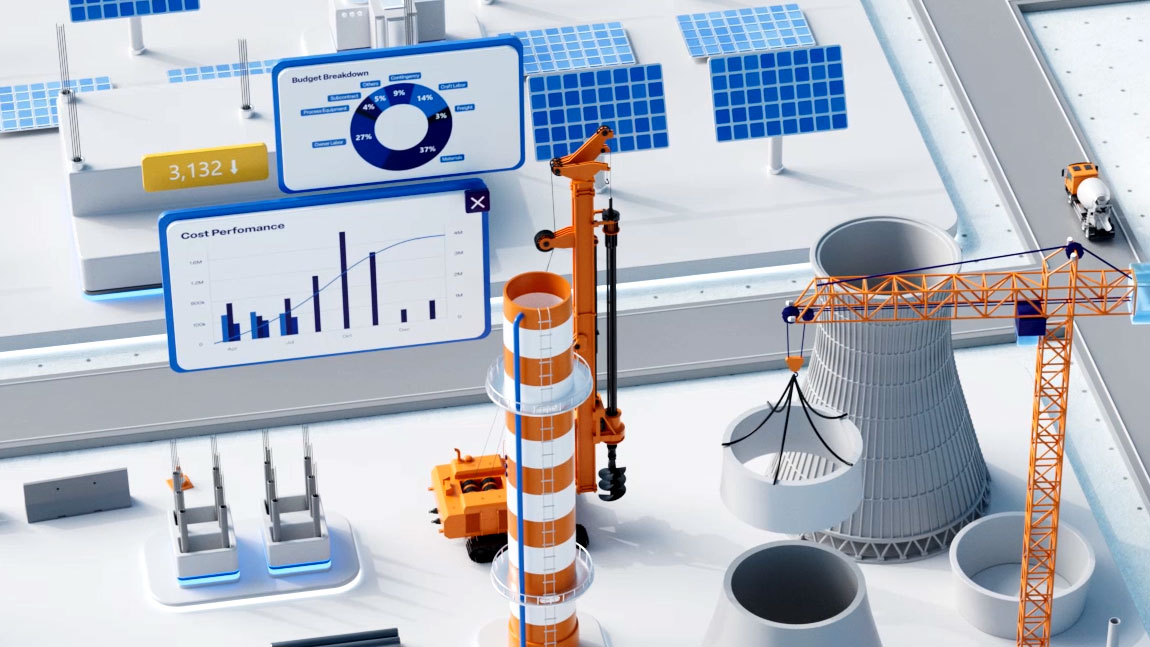
Contruent runs large capital construction projects on one platform. Our 3D animation builds the project on screen while the software tracks schedule and cost, so a complex enterprise tool becomes easy to follow. Category: Construction software. By Creamy Animation.
Table of Contents
2. Acrisure
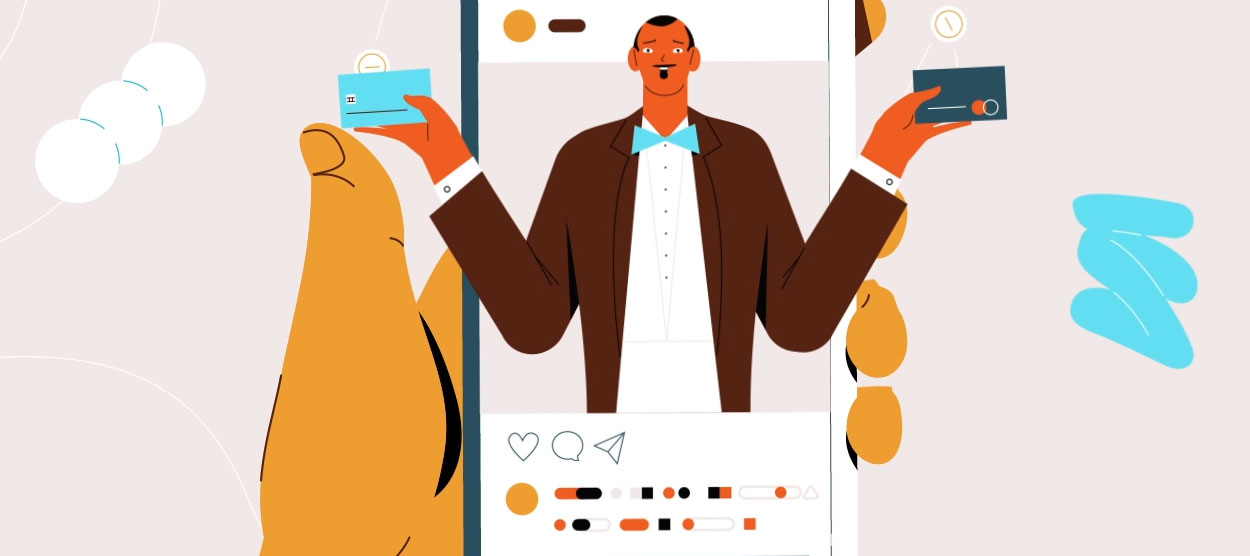
Acrisure blends insurance and technology at scale. Our 3D work gives an abstract financial-services brand a physical, premium feel that matches its ambition. Category: Fintech and insurance. By Creamy Animation.
3. Big Buck Bunny
Big Buck Bunny is the open-source short that helped set the bar for character 3D. Fur, foliage, and comic timing show how much personality animation can carry. Category: Character short. By Blender Foundation.
4. Sintel
Sintel is a cinematic short with a full character and creature pipeline. It shows 3D animation handling real emotional storytelling as well as product shots. Category: Cinematic short. By Blender Foundation.
5. Tears of Steel
Tears of Steel composites 3D robots and set extensions over live footage. It is a clean example of CGI blended with real film. Category: VFX and CGI integration. By Blender Foundation.
6. Spring
Spring pushes hair, cloth, and lighting into painterly territory while staying fully 3D. It shows how far stylized rendering can go. Category: Stylized short. By Blender Studio.
7. NASA Cassini Grand Finale
NASA and JPL animated the Cassini spacecraft diving through the rings of Saturn. It turns a real mission into something a wide audience can picture. Category: Space and science. By NASA JPL.
8. NASA Perseverance Landing
This JPL animation recreates the sky-crane landing of the Perseverance rover. Accurate hard-surface 3D makes a high-stakes engineering sequence clear. Category: Aerospace engineering. By NASA JPL.
9. BMW Vision M NEXT
The BMW concept-car launch film renders the vehicle entirely in 3D. Premium lighting and materials show how brands use CGI before a product exists. Category: Automotive. By BMW.
10. Rolls-Royce UltraFan
Rolls-Royce uses exploded 3D to show its next-generation jet engine assembling in mid-air. It makes complex machinery readable. Category: Aerospace and industrial. By Rolls-Royce.
11. Rolls-Royce How Engines Work
This cutaway animation traces air and fuel through a jet engine. It is a strong example of technical 3D used to explain. Impressing is secondary. Category: Engineering explainer. By Rolls-Royce.
12. The Inner Life of the Cell
The Inner Life of the Cell visualizes molecular machinery inside a living cell. It remains a benchmark for scientific 3D animation. Category: Molecular and medical. By Harvard BioVisions.
13. Molecular Visualizations of DNA
The WEHI animation by Drew Berry shows DNA being copied with scientific accuracy. It proves 3D can teach hard science clearly. Category: Scientific animation. By WEHI.
14. NEOM The Line
The NEOM concept film renders a future city entirely in 3D. Large-scale environment work sells an idea that does not exist yet. Category: Architectural and environment. By NEOM.
15. Dyson Gen5 Motor
The Dyson product film cuts away to the inside of its motor in 3D. It shows how brands use CGI to make engineering a selling point. Category: Product and industrial. By Dyson.
How to make a great 3D animation
1. Start with the goal
Decide what the animation must do: explain a product, prove engineering, or tell a story. The goal sets the level of realism and detail.
2. Choose realism or stylized
3D can be photoreal or stylized. Photoreal suits products and engineering, while stylized suits brand and story. Pick the look that fits your audience.
3. Plan the shots before rendering
Storyboard and previsualize first. Rendering is the expensive step, so lock the camera moves and timing before you commit.
4. Budget for time and detail
3D takes longer than 2D because of modeling, texturing, and rendering. Plan the schedule around the level of detail your goal really needs.
Frequently asked questions
What is 3D animation?
3D animation is the process of creating moving images from digital models built in three dimensions. Artists model, texture, light, and render each scene, which gives 3D its depth and realism.
What is the difference between 2D and 3D animation?
2D animation works on a flat plane, frame by frame or with vector shapes. 3D animation builds objects in space and moves a virtual camera around them, which allows realistic light, depth, and motion.
What is 3D animation used for?
It is used for product and engineering films, medical and scientific visualization, architecture, films and games, and brand storytelling. Anywhere depth, realism, or complex structure matters, 3D helps.
How long does it take to make a 3D animation?
A short 3D piece can take a few weeks, while detailed or photoreal work takes longer. Modeling, texturing, and rendering all add time, so the schedule depends on the level of detail.
How much does 3D animation cost?
3D usually costs more than 2D because of the extra modeling and rendering work. Cost depends on length, realism, and complexity. Ask for a quote based on your script and the look you need.
Is 3D animation better than 2D?
Neither is better on its own. 3D suits realism, depth, and complex structure, while 2D suits fast, flexible, and character-led stories. The right choice depends on your goal and budget.
The takeaway
The best 3D animation is not always the most photoreal. It is the one that uses depth and detail to make an idea clear, whether that idea is a jet engine, a living cell, or a construction platform. The examples above show the range 3D can cover.
Larry is the founder and Chief Storyteller at Creamy Animation, founded in 2009. He leads a team that creates story-driven videos for businesses and nonprofits. 15+ years in video strategy and production, specializing in SaaS, B2B, and nonprofit storytelling. A marketer, designer, and animator, Larry has overseen the production of more than 1,500 videos for Fujitsu, Logitech, Warner Brothers, NFL, Blockdaemon, Astronomer, Canonical, and 370+ others.
For Larry, God is first, and everything else is a blessing that comes from serving Him. When he’s not working, he’s hanging out with his wife and three kids, playing the piano, or pursuing his filmmaking side hustle.